
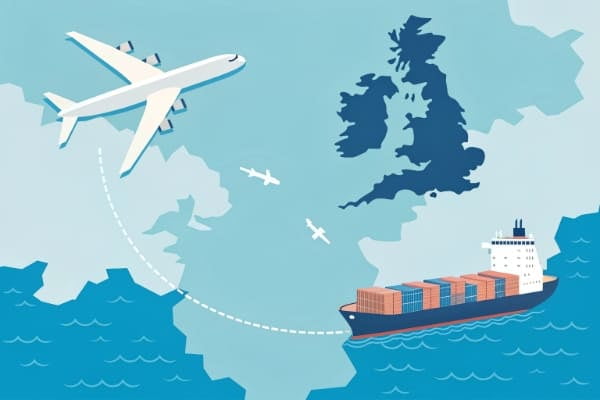
Struggling with unreliable shipping from China to the UK? Delays and hidden costs can hurt your business. Finding a trustworthy freight forwarder1 is the solution you need.
The best freight forwarder1 for China-UK shipping has proven experience on this route, offers transparent pricing, provides excellent communication, and manages everything from customs to final delivery. They act as your trusted logistics partner2, ensuring your goods arrive safely and on time.
Choosing a logistics partner2 is a big decision. I've seen firsthand how the right forwarder can transform a supply chain, while the wrong one can cause endless headaches. It's about more than just moving boxes; it's about finding a partner who protects your interests. Let's walk through exactly what you need to look for to make the right choice for your business.
What Does a Freight Forwarder Handle for China–UK Shipping?
Confused about what a freight forwarder1 actually does for you? You might be overpaying for services you don't need or missing critical support that could save you time.
A good freight forwarder1 for China-UK routes handles everything from booking cargo space and negotiating rates to managing customs clearance3, documentation, and final delivery. They are your single point of contact for the entire logistics process, saving you time and stress.
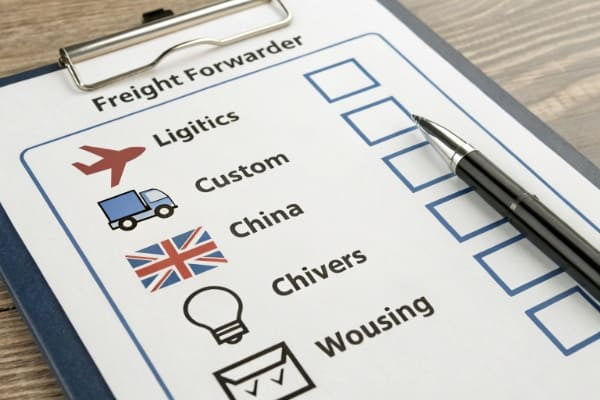
A freight forwarder1 acts as the project manager for your shipment. Think of them as your boots on the ground in China, coordinating all the moving parts. When we handle logistics for our clients, we break it down into a few key areas to ensure nothing is missed.
Core Logistics and Coordination
First, your forwarder books space on a ship or airplane. They use their network and volume to get better rates than you could alone. They also manage the physical movement of your goods from the factory to the port or airport in China.
Customs and Documentation
This is where a great forwarder really proves their worth. They prepare and file all the necessary paperwork for both export from China and import into the UK. This includes the Bill of Lading4, Commercial Invoice, and the UK's customs declaration. Getting this wrong leads to costly delays and fines, so their expertise is vital.
Value-Added Services
Many forwarders, including us at Toncentlink, offer more than just shipping. We can consolidate orders from multiple suppliers into one shipment, provide warehousing, and even handle final-mile delivery in the UK. This integrated approach simplifies your supply chain and reduces costs.
Air Freight vs Sea Freight: Which Should You Choose?
Are you unsure whether to ship your goods by air or by sea? Making the wrong choice can lead to missed deadlines with air freight or excess inventory costs with sea freight.
Choose air freight for speed and high-value, small-volume goods; it's faster but more expensive. Opt for sea freight for large, heavy, or non-urgent shipments to save significantly on costs. The best choice depends on your budget, timeline, and product type.
The decision between air and sea freight comes down to balancing three factors: speed, cost, and volume. I always advise clients to analyze their specific needs for each shipment. For example, a client launching a new tech gadget needed the first batch in the UK for a product launch event, so we used air freight. For their regular stock replenishment, we switched to sea freight to maximize their profit margins. It's about using the right tool for the job.
When to Use Air Freight
Air freight is the fastest option, with transit times from China to the UK often under a week. It’s ideal for urgent orders, high-value products like electronics, or lightweight items where the shipping cost is a small percentage of the product's value. The security is also generally higher.
When to Use Sea Freight
Sea freight is the backbone of global trade for a reason: it's incredibly cost-effective for larger shipments. If you're shipping bulky items, heavy goods, or have a flexible timeline, sea freight is almost always the better choice. It can be 5-10 times cheaper than air freight. Just be sure to plan for the longer transit time.
| Feature | Air Freight | Sea Freight |
|---|---|---|
| Speed | Fast (3-10 days) | Slow (30-45 days) |
| Cost | High | Low |
| Best for | Urgent, high-value, lightweight goods | Bulky, heavy, non-urgent goods |
| Capacity | Limited | Very high |
How Much Does Shipping from China to UK Cost?
Worried about unpredictable shipping costs from China? Hidden fees and surprise charges can quickly eat into your profit margins, turning a good order into a bad one.
Shipping costs from China to the UK depend on the mode (air/sea), weight, volume, and service type (DDP, FOB). Key factors include freight rates5, fuel surcharges, customs duties6, and terminal fees. Always request a detailed, all-inclusive quote to avoid surprises.
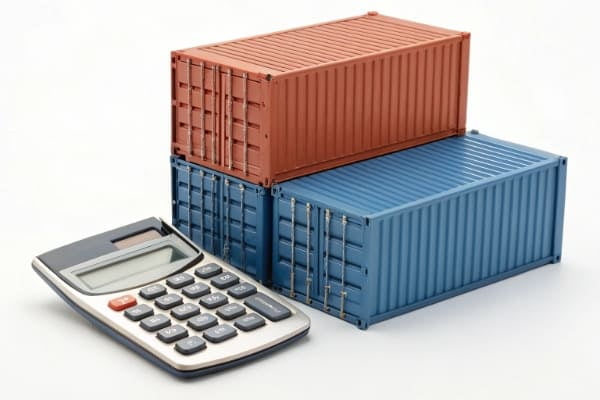
I can't tell you how many times new clients have come to me after getting burned by a low-ball quote that doubled by the time the shipment arrived. A reliable freight forwarder1 must provide transparent pricing. When you get a quote, it should clearly break down all the potential charges. If a price seems too good to be true, it probably is.
Here’s what typically goes into a final shipping cost:
Main Freight Charges
This is the basic cost of moving your goods from Port A to Port B. It's determined by the mode of transport, and for sea freight, whether you're using FCL or LCL. Rates fluctuate based on demand, fuel prices, and season.
Surcharges and Fees
This is where hidden costs often appear. Look for fuel surcharges (BAF), currency adjustment factors (CAF), and peak season surcharges (PSS). A transparent forwarder will list these upfront.
Destination Charges
Once your shipment arrives in the UK, you'll have terminal handling charges, customs clearance3 fees, and potentially warehousing fees. Most importantly, you must pay UK VAT and customs duty, which are calculated based on the value of your goods. An experienced forwarder can help you estimate these accurately.
How Long Does Shipping from China to UK Take?
Are you unsure how long it will take for your goods to get from China to the UK? Miscalculating transit times can lead to stockouts, missed deadlines, and unhappy customers.
Shipping from China to the UK typically takes 30-45 days by sea freight and 3-10 days by air freight. These timelines include inland transit, customs clearance3, and final delivery, not just the time on the water or in the air.

Understanding the total journey time is critical for inventory planning. Many people only consider the "port-to-port" or "airport-to-airport" time, but that's a mistake. The full door-to-door process is what matters for your business timeline. I always tell my clients to build in a small buffer, as unexpected things like port congestion or customs inspections can happen. A proactive forwarder will keep you updated on any potential delays.
Sea Freight Timeline Breakdown
- Factory to China Port: 2-5 days
- Customs & Loading: 2-4 days
- Ocean Transit: 25-35 days
- UK Customs & Unloading: 3-7 days
- Port to Final Destination: 1-3 days
- Total Estimated Time: 33-54 days
Air Freight Timeline Breakdown
- Factory to China Airport: 1-2 days
- Customs & Loading: 1 day
- Air Transit: 1-3 days
- UK Customs & Unloading: 1-2 days
- Airport to Final Destination: 1-2 days
- Total Estimated Time: 5-10 days
A forwarder with a strong China-UK track record will have a realistic grasp of these timelines and can help you plan accordingly.
What Documents Are Required for Importing into UK?
Feeling overwhelmed by the paperwork required for importing? Missing or incorrect documents are one of the top reasons for shipment delays and customs fines when shipping to the UK.
The key documents for importing from China to the UK are the Commercial Invoice, Packing List, and Bill of Lading4 (for sea) or Air Waybill (for air). You will also need a Certificate of Origin and to complete a UK customs declaration.

Documentation is the part of importing that trips up most businesses. It can seem complex, but a good freight forwarder1 or sourcing partner like us will manage all of this for you. Our job is to make sure every 't' is crossed and every 'i' is dotted so your goods clear customs smoothly. We've seen it all, so we know exactly what UK customs officials are looking for.
Essential Shipping Documents Explained
- Commercial Invoice: This is the bill for the goods from the seller to the buyer. It must detail the products, their value, and the terms of sale. It's used by customs to determine duties and taxes.
- Packing List: This document details the contents of each package, including weights and dimensions. It's used by customs to verify the shipment's contents if they decide to inspect it.
- Bill of Lading4 (B/L) or Air Waybill (AWB): This is the contract between you and the carrier. It acts as a receipt for your goods and a document of title. You need it to claim your shipment upon arrival.
- Certificate of Origin (C/O): This document certifies that the goods were manufactured in China. It can sometimes be used to qualify for preferential tariff rates.
Your forwarder will use these documents to file the official import declaration with HMRC in the UK.
FCL vs LCL7: Which Option Is More Cost-Effective?
Are you trying to decide between FCL and LCL for your sea freight shipment? Choosing the wrong one can mean you either overpay for space or face unexpected delays and damages.
Choose FCL (Full Container Load) if your shipment is large enough (over 15 CBM) to fill most of a container; it's faster and more secure. Use LCL (Less than Container Load) for smaller shipments, as you only pay for the space you use.
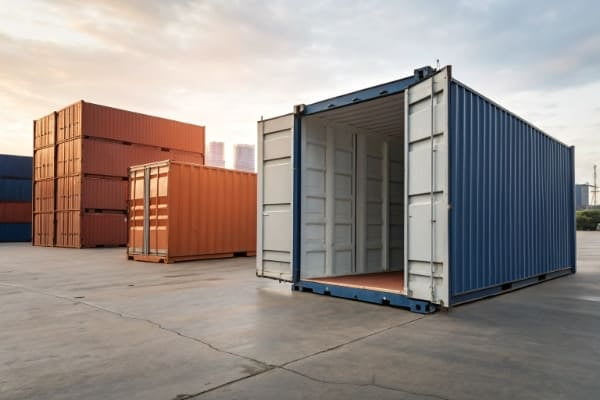
The FCL vs. LCL decision is a classic logistics puzzle. The "breakeven" point is usually around 15 cubic meters (CBM). Below that, LCL is typically cheaper. Above that, it's often more cost-effective to book your own full container (FCL). However, cost isn't the only factor. I had a client shipping fragile promotional glassware who opted for FCL even with a smaller volume, just to reduce the risk of damage, since LCL shipments are handled more frequently.
FCL (Full Container Load)
With FCL, you rent an entire 20ft or 40ft container for your exclusive use.
- Pros: Faster transit time (no consolidation/deconsolidation), more secure (less handling), and cost-effective for large volumes.
- Cons: More expensive for small shipments. You pay for the whole container whether you fill it or not.
LCL (Less than Container Load)
With LCL, your goods are consolidated into a container with shipments from other importers.
- Pros: Very cost-effective for small volumes. You only pay for the space your goods occupy.
- Cons: Longer transit times due to the consolidation process. There's also a slightly higher risk of damage or loss because your goods are handled more and share space with others. Delays can occur if another shipment in the container has customs issues.
Door-to-Door vs Port-to-Port: Which Service Is Right for You?
Confused by shipping terms like "Door-to-Door" and "Port-to-Port"? Selecting the wrong service level can leave you responsible for arranging parts of the logistics process you weren't prepared for.
Door-to-Door service8 is an all-inclusive solution where the forwarder manages the entire journey from the factory in China to your UK address. Port-to-Port service9 only covers shipping between the origin and destination ports, leaving you to handle the rest.
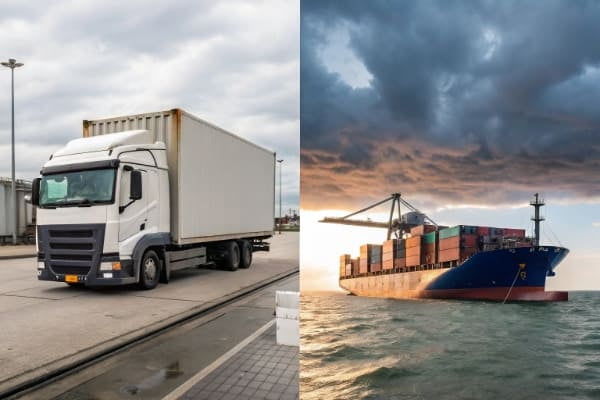
For most of our clients, especially those in the promotional products industry who are brand owners or marketers, Door-to-Door (DDP - Delivered Duty Paid) shipping is the best option. It provides complete peace of mind and cost certainty. You get one invoice for the entire process, and we handle everything. It allows you to focus on your business, not on logistics. Port-to-Port is generally for very large, experienced importers with their own logistics teams in place.
Door-to-Door (DDP) Service
This is the most comprehensive service.
- What it includes: Pickup from the factory, transport to the port/airport, export customs, main freight, import customs, duty/VAT payment, and final delivery to your warehouse or office.
- Who it's for: Businesses that want a simple, hassle-free, all-in-one solution. It's perfect if you value convenience and predictable costs. At Toncentlink, this is our standard recommendation.
Port-to-Port Service
This service covers only the main leg of the journey.
- What it includes: The movement of the container from the port of loading (e.g., Shanghai) to the port of discharge (e.g., Felixstowe).
- Who it's for: Large importers who have their own customs brokers and trucking companies in the UK to manage import clearance and final delivery. It requires more hands-on management from your side.
Conclusion
Choosing the right freight forwarder1 is vital. Focus on a partner with proven China-UK experience, transparent pricing, and comprehensive services to ensure your shipments are smooth and successful every time.
Understanding the role of a freight forwarder can help you choose the right logistics partner for your business. ↩
Choosing the right partner can significantly impact your shipping success and efficiency. ↩
Learn about customs clearance to prevent delays and fines when importing goods. ↩
Understanding this document is essential for managing your shipments effectively. ↩
Learn about the factors that influence freight rates to better budget your shipping costs. ↩
Understanding customs duties is crucial for accurate cost estimation when importing. ↩
This knowledge can save you money and ensure your goods are shipped efficiently. ↩
Discover the benefits of Door-to-Door service for hassle-free logistics. ↩
Understanding this can help you decide if it's the right option for your shipping needs. ↩