
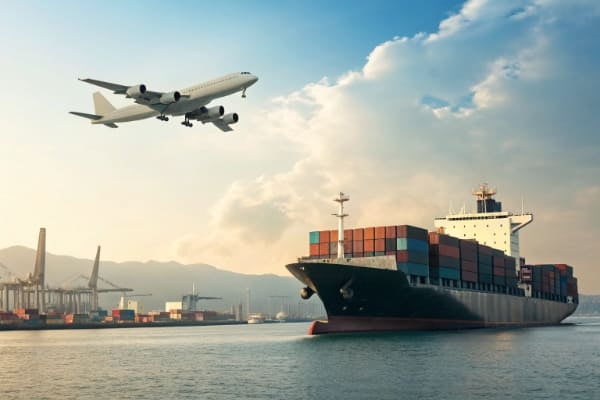
Struggling to find a reliable partner for your China-to-UAE shipments1? Worries about hidden costs, delays, and customs can be overwhelming. The right freight forwarder2 makes all the difference.
To choose the right freight forwarder2 for the China-to-UAE route, verify their experience, ensure transparent pricing3, and check their expertise in UAE customs4. Prioritize partners who offer both air and sea freight5, provide real-time tracking6, and have strong customer service7 and insurance coverage.
Finding a good freight forwarder2 is more than just getting a price. It's about finding a partner who can act as your eyes and ears on the ground in China. Over the years, I've seen clients come to us after bad experiences with other agents—shipments getting stuck, unexpected fees, and zero communication. A reliable forwarder should feel like an extension of your own team, managing the complexities so you can focus on your business. This guide will walk you through everything you need to know to select a partner who will get your goods from China to the UAE safely and on time, every time.
What Does a Freight Forwarder Handle for China–UAE Shipping?
Confused about what a freight forwarder2 actually does? Managing products is your expertise, but logistics can feel like a black box. Let's clarify their essential role in your supply chain.
A freight forwarder2 manages the entire shipping process from China to the UAE. This includes booking cargo space, handling all necessary documentation, managing customs clearance8, and coordinating final delivery. They act as your single point of contact, ensuring a smooth and efficient transit.
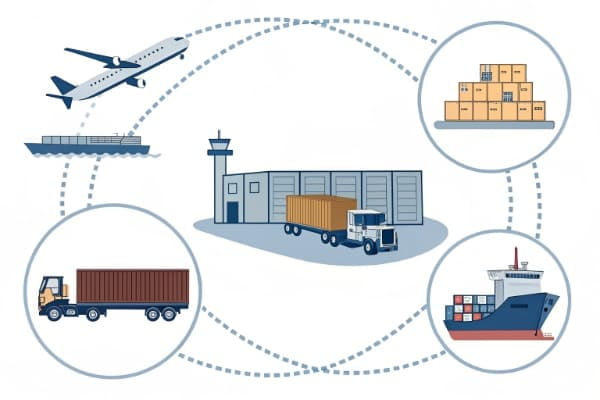
A good freight forwarder2 is your logistics architect. When we handle a shipment for a client, we don't just move a box from point A to point B. We manage a whole chain of events. It starts with picking up the goods from the factory in, say, Guangzhou. Then, we might consolidate it with other orders at our warehouse to save you money. We handle the export customs clearance8 in China and book space on a vessel or aircraft heading to Jebel Ali or Dubai International Airport. While in transit, we provide tracking. Once it arrives in the UAE, our team there manages the import customs clearance8 and pays any duties. Finally, we arrange for a truck to deliver the goods right to your warehouse. You get one invoice and one contact person for this entire process. It turns a complex, multi-step operation into a simple, managed service.
Key Responsibilities of a Freight Forwarder
| Service | Description | Why It Matters for You |
|---|---|---|
| Cargo Booking | Securing space on a ship or airplane. | Ensures your goods get on the move without delay. |
| Consolidation | Combining your smaller shipment with others. | Saves you money on LCL or air freight shipments. |
| Documentation | Preparing the Bill of Lading9, Commercial Invoice, etc. | Prevents customs delays and potential fines. |
| Customs Clearance | Handling export and import procedures. | A crucial step that requires local expertise to avoid issues. |
| Inland Transport | Arranging trucking from factory to port and port to door. | Provides a complete door-to-door solution. |
| Cargo Insurance | Offering protection against loss or damage. | Gives you peace of mind during transit. |
Air Freight vs Sea Freight: Which Should You Choose?
Unsure whether to ship by air or sea from China? Making the wrong choice can seriously impact your budget and delivery timeline. Let's break down which option is best for your goods.
Choose air freight for urgent, high-value, or lightweight goods; it’s faster but more expensive. Opt for sea freight for bulk shipments and lower costs, though it takes much longer. Your decision ultimately depends on your urgency, budget, and the volume of your cargo.
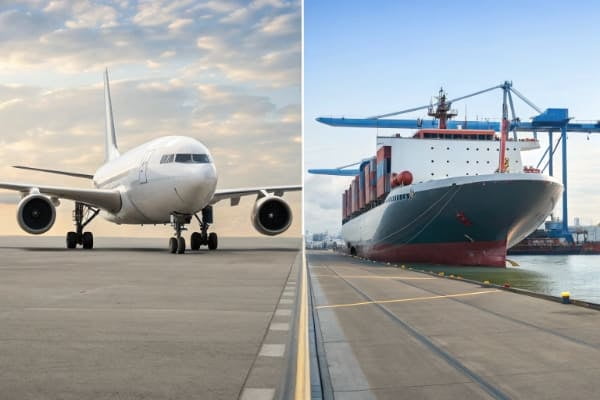
I once had a client in Dubai who needed a last-minute batch of branded power banks for a major tech conference. The event was in 10 days. In this case, air freight was the only logical choice. It was more expensive, but the cost of missing the event would have been far greater. We got the products to him in five days. On the other hand, the same client places large stock orders for promotional mugs and t-shirts every quarter. For these, he always uses sea freight. The products are bulky, not extremely time-sensitive, and shipping by sea keeps his cost per unit very low, maximizing his profit margin. This is the classic trade-off we help our clients navigate every day. The right choice isn't always about the lowest price; it's about what makes the most sense for your specific business goal at that moment.
Comparing Air and Sea Freight
| Factor | Air Freight | Sea Freight |
|---|---|---|
| Speed | Fast (3-7 days) | Slow (15-30 days) |
| Cost | High | Low |
| Volume | Best for small, low-volume shipments | Best for large, high-volume shipments |
| Security | Generally higher security, less handling | Higher risk of damage due to more handling |
How Much Does Shipping from China to UAE Cost?
Worried about unpredictable shipping costs10 eating into your profits? Hidden fees can quickly turn a good deal into a bad one. Let's look at the factors that determine your final shipping price.
Shipping costs from China to the UAE vary based on the mode (air/sea), cargo weight and volume, and service type (e.g., Door-to-Door). Air freight can cost $5-$10 per kg, while sea freight is far cheaper per cubic meter. Always request a detailed, all-inclusive quote.
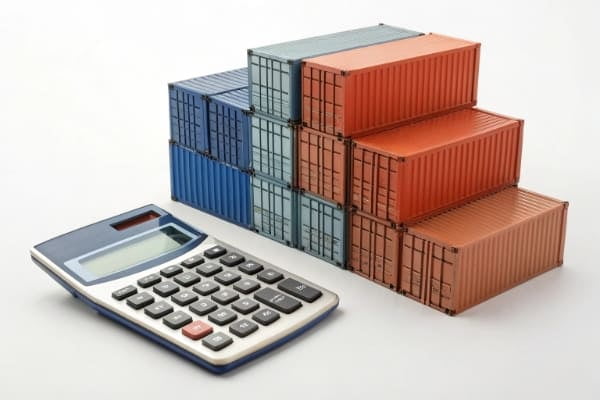
The biggest mistake I see importers make is choosing a forwarder based on the cheapest initial quote. A low quote often leaves out crucial fees that appear on the final bill. These can include destination terminal handling charges, customs clearance8 fees, or inland delivery costs. A professional forwarder provides a transparent, itemized quote. For example, our DDP (Delivered Duty Paid) quotes include everything: the cost of freight, fuel surcharges, export and import customs fees, duties and taxes, and final delivery to your door. This way, you know your total landed cost upfront. The price you are quoted is the price you pay. It avoids any nasty surprises and allows you to budget accurately. Remember, a slightly higher but all-inclusive quote is often cheaper in the end than a lowball offer with hidden charges. Always ask, "Does this price include everything to get the goods to my door?"
How Long Does Shipping from China to UAE Take?
Anxious about long transit times delaying your product launch? Late shipments mean missed sales and unhappy customers. Understanding realistic timelines is essential for planning your inventory and marketing efforts.
Air freight from China to the UAE typically takes 3-7 days, including customs. Sea freight is much slower, with port-to-port transit taking 15-30 days. You should always add a few extra days for customs clearance8 and inland transportation for an accurate delivery window.

It's important to understand that "transit time" is not the same as "total delivery time." A forwarder might quote 20 days for sea freight, but that often just means the time the container is on the water. You need to account for the entire journey. This includes the time it takes to truck the goods from the factory to the port in China (1-3 days), potential waiting time for vessel departure, the sea transit itself, unloading at the UAE port (like Jebel Ali), customs clearance8 (1-3 days), and final inland delivery to your warehouse. A realistic door-to-door timeline for sea freight is closer to 30-40 days. For air freight, the total door-to-door time is usually around 5-10 days. We always give our clients a realistic, end-to-end timeline so they can plan with confidence and avoid promising their own customers a date they can't meet.
Estimated Transit Times
| Mode | From (China) | To (UAE) | Port-to-Port Time | Door-to-Door (Est.) |
|---|---|---|---|---|
| Sea Freight | Shanghai, Ningbo | Jebel Ali (Dubai) | 18-25 days | 28-35 days |
| Sea Freight | Shenzhen, Guangzhou | Jebel Ali (Dubai) | 15-20 days | 25-30 days |
| Air Freight | Major Airports | DXB, AUH | 1-3 days | 5-8 days |
What Documents Are Required for Importing into UAE?
Feeling overwhelmed by the paperwork for UAE customs4? A single missing or incorrect document can lead to costly delays, storage fees, and even fines. Let's list the essential paperwork you need.
For a smooth customs clearance8 in the UAE, you need a Commercial Invoice, Packing List, Bill of Lading9 (for sea) or Air Waybill (for air), and a Certificate of Origin11. Your freight forwarder2 should help prepare and verify these documents to ensure full compliance.

Paperwork is the number one cause of customs headaches. I remember a new client whose first shipment with another agent got stuck at customs in Dubai for two weeks. The problem? The value on the commercial invoice didn't match the packing list, and the HS codes were incorrect. This created a huge red flag for the customs authorities. The delay cost him thousands in storage fees and nearly made him miss a deadline. This is why working with a detail-oriented forwarder is so important. We don't just collect documents; we scrutinize them. We check that the descriptions, quantities, values, and HS codes are consistent across all paperwork. We ensure the Certificate of Origin11 is properly stamped. A good forwarder acts as your compliance officer, catching these small but critical errors before the shipment even leaves China.
Key Import Documents Explained
- Commercial Invoice: Details the transaction between the seller and buyer, including product descriptions, values, and currency. It's used by customs to determine duties.
- Packing List: An inventory of the shipment's contents, including weights, dimensions, and quantities for each box. It's used to physically verify the cargo.
- Bill of Lading9 (B/L) or Air Waybill (AWB): The contract between you and the carrier. It acts as a receipt for the goods and a document of title.
- Certificate of Origin11 (C/O): Certifies the country where the goods were manufactured. It's required by UAE customs4 to verify origin and apply correct tariffs.
FCL vs LCL12: Which Option Is More Cost-Effective?
Don't have enough cargo to fill a whole container? You might be wondering if you're overpaying for shipping space. Let's compare FCL and LCL to find the most economical sea freight choice.
Choose FCL (Full Container Load) if your cargo is over 15 CBM; it's faster and more secure since you rent the whole container. Use LCL (Less than Container Load) for smaller shipments, where you share container space and only pay for the volume you use.
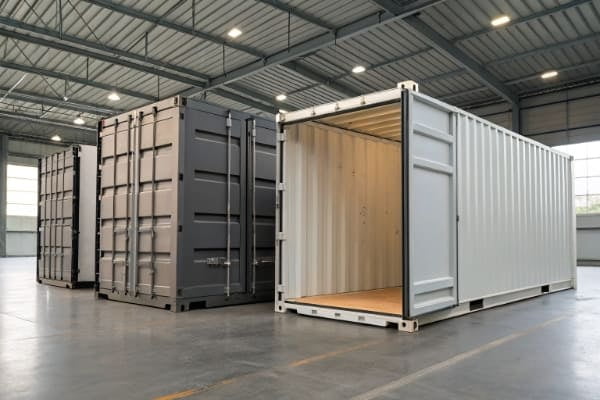
The decision between FCL and LCL is a classic cost-versus-convenience calculation. LCL is great for small businesses or for testing a new product, as you can ship as little as one cubic meter (CBM). However, the cost per CBM for LCL is higher than for FCL. There's a break-even point, usually around 13-15 CBM, where it becomes cheaper to book your own 20-foot FCL container. Beyond cost, there are other factors. LCL shipments take longer because the forwarder has to consolidate goods from multiple shippers at the origin port and then de-consolidate them at the destination. This extra handling also slightly increases the risk of damage. FCL is more direct. The container is sealed at the factory and opened at your warehouse, making it faster and more secure. We help clients analyze their shipment volume and frequency to decide which strategy works best for them.
Door-to-Door vs Port-to-Port: Which Service Is Right for You?
Confused by different shipping service levels? Arranging separate transport and customs clearance8 on your own can be a real hassle. Let's see which service offers the most convenience and value.
Door-to-door service is the most convenient, all-in-one solution. Your forwarder manages the entire journey from the factory in China to your warehouse in the UAE. Port-to-port is cheaper but requires you to handle inland transport and customs clearance8 yourself.
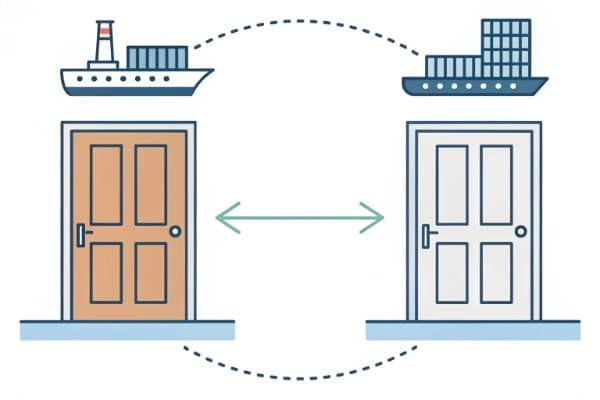
For most of our clients, especially brand owners and corporate buyers, door-to-door service13 is the only way to go. Think of it this way: your job is to sell products, not to become a logistics expert. A port-to-port service14 might look cheaper upfront, but you're then responsible for finding a customs broker in the UAE, arranging a truck to pick up your container from the port, and dealing with all the port fees. This introduces multiple points of failure and unpredictable costs. With our door-to-door DDP (Delivered Duty Paid) service, we handle everything. You get one price and one point of contact. It completely removes the logistical burden from your shoulders. This is especially valuable for businesses that don't have a dedicated logistics team in the UAE. It allows you to operate as if you have your own local office managing everything.
Conclusion
Choosing the right freight forwarder2 is crucial for a smooth supply chain. A good partner saves you time, money, and stress by managing the entire process from China to the UAE.
Explore expert insights on optimizing your shipping process from China to the UAE. ↩
Understanding the role of a freight forwarder can help you choose the right partner for your shipping needs. ↩
Learn how transparent pricing can save you from unexpected costs in shipping. ↩
Get detailed information on customs requirements to avoid delays and fines. ↩
Understanding the pros and cons of each can help you make informed shipping decisions. ↩
Discover how real-time tracking enhances visibility and control over your shipments. ↩
Learn about the importance of strong customer service in logistics. ↩
Understanding customs clearance can help you avoid costly delays. ↩
Understanding the Bill of Lading is crucial for managing shipping contracts. ↩
Understanding cost factors can help you budget more effectively for shipping. ↩
Learn about the significance of the Certificate of Origin in customs compliance. ↩
Explore the cost-effectiveness of FCL versus LCL to optimize your shipping strategy. ↩
Discover how door-to-door services simplify logistics for businesses. ↩
Learn when port-to-port service might be a viable option for your shipping needs. ↩