
Struggling to predict your sourcing timeline from China? Unforeseen delays can ruin your launch and budget. Here’s a clear breakdown of the entire process from start to finish.
Sourcing products from China typically takes 3 to 6 months from initial supplier search to final delivery. This timeline covers key stages including supplier vetting1 (1-8 weeks), sampling2 (2-6 weeks), mass production3 (1-60 days), quality control4 (2-5 days), and international shipping5 (14-60 days).

I've helped hundreds of clients navigate this process. Many are surprised by how long it can actually take. The timelines you see on sourcing websites often don't tell the whole story. They leave out the small but critical steps that add up. Let's break down each stage so you can plan effectively and avoid costly surprises. This detailed guide will give you a realistic picture of what to expect.
What Are the Key Stages in the Sourcing Process from China?
The sourcing process looks complicated and overwhelming. If you miss just one step, you can face major delays or quality problems. Let's outline the essential stages for a smooth operation.
The main stages are product development6, supplier search, sampling2, mass production3, quality control4, and logistics. Each phase has its own timeline. Planning for each one is crucial to keep your project on track and avoid unexpected bottlenecks that can cost you time and money.
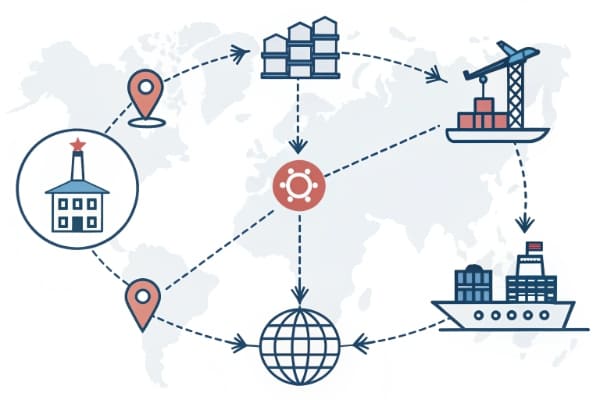
Understanding the entire journey from idea to delivery is the first step. I always tell my clients to think of it as a project with several mini-projects inside it. Each stage depends on the one before it. For example, you can't start mass production3 without a perfect sample. You can't ship your goods without passing a quality inspection. I remember a client who tried to rush the supplier vetting1 stage. They chose the first factory that gave them a low price. Later, they discovered the factory couldn't meet their quality standards, and they had to start all over again, losing two months. This is why mapping out each stage is so important.
Here is a simple breakdown of the stages and their typical timeframes:
| Stage | Typical Timeframe | Key Activities |
|---|---|---|
| 1. Product Development | 1-8 Weeks | Finalizing design, creating spec sheets. |
| 2. Supplier Sourcing | 1-8 Weeks | Researching, contacting, and vetting factories. |
| 3. Sampling | 2-6 Weeks | Producing, shipping, and reviewing samples. |
| 4. Mass Production | 2-8 Weeks | Manufacturing your full order. |
| 5. Quality Control | 2-5 Days | Inspecting goods before they leave the factory. |
| 6. Logistics & Shipping | 3-8 Weeks | Sea/air freight, customs, and final delivery. |
How Long Does Product Development Take Before Sourcing?
You have a great product idea, but how long does it take to get it ready for a factory? A poorly defined product can lead to endless back-and-forth communication and production errors.
Product development can take anywhere from a few days to several months. The timeline depends on your product's complexity. Simple promotional items might only need a logo file. But a completely new product will require detailed designs, material specifications, and prototypes before you can even ask for a quote.

This is the foundation of your entire project. Rushing it is a recipe for disaster. Before we even look for a supplier, you need a crystal-clear "tech pack7" or specification sheet. This document tells the factory exactly what to make. It should include everything: dimensions, materials, colors (with Pantone codes8), logo placement, and packaging requirements. I once worked with a startup that wanted to make a custom backpack. They sent me a simple sketch. We spent the next four weeks working together to create a detailed tech pack7. That initial time investment saved them months of potential issues. A factory can only produce what you tell them to. If your instructions are vague, the result will be too. A good rule of thumb is that if you have to ask yourself "Did I specify this?", you probably didn't.
Key Steps in Product Development:
- Idea Finalization (1-7 days): Nailing down the core features and function.
- Design & Schematics (1-3 weeks): Creating technical drawings and 3D models.
- Specification Sheet (1-2 weeks): Documenting all materials, colors, and requirements.
- Initial Prototyping (2-4 weeks): Creating a first version, sometimes locally, to test the concept.
How to Find Reliable Suppliers in China: Timeframes Explained?
Finding a trustworthy supplier feels like searching for a needle in a haystack. Choosing the wrong partner can destroy your brand's reputation and lead to huge financial losses. So, what's the real timeline?
Finding, contacting, and vetting a reliable supplier in China usually takes between 1 and 8 weeks. This process includes initial online research, sending out inquiries, getting quotes, and performing background checks or factory audits9. Using an experienced sourcing agent10 can significantly shorten this timeline.

This stage is all about due diligence. It’s tempting to pick the supplier with the lowest price, but that's often a trap. You need to verify they are a real factory, not just a trading company with a nice website. You need to check their experience with your type of product and their export history11. We spend a lot of time on this for our clients. The process involves multiple steps. First, we create a long list of potential suppliers. Then, we contact them with a detailed Request for Quotation (RFQ)12. Based on their responses, we create a shortlist. For the most promising ones, we verify their business licenses and may even schedule an on-site factory audit. This careful process ensures we partner with factories that are not only capable but also reliable and ethical. It takes time, but it prevents 99% of future problems.
| Vetting Method | Timeframe | Pros | Cons |
|---|---|---|---|
| Online Platforms | 3-8 Weeks | Large selection of suppliers. | High risk of scams, hard to verify. |
| Trade Shows | 1-2 Weeks | Meet suppliers face-to-face. | Costly travel, limited time. |
| Sourcing Agent | 1-3 Weeks | Access to a pre-vetted network. | Service fee applies. |
What’s the Typical Timeline for Securing Samples from Chinese Suppliers?
You need to approve a physical sample before you place a big order. But waiting for that sample to arrive can feel like it takes forever, delaying your entire project.
Getting a product sample typically takes 2 to 6 weeks. This timeline includes the factory's time to produce the sample (1-2 weeks), international express shipping (3-10 days), and your time for review. If you need revisions, this cycle repeats, adding more weeks to the process.

The sample is your golden standard. The quality of your final production run should match this sample exactly. So, it has to be perfect. The timeline for getting it depends on a few things. A simple stock item with a logo might only take a week to produce. A fully custom product that requires a new mold could take a month or more just for the sample. Then there's shipping. I always recommend using an express courier like DHL or FedEx. It's more expensive, but waiting a month for a sample to arrive by sea is not practical. Once you receive the sample, test it thoroughly. I had a client who was developing a custom water bottle. The first sample leaked. They gave clear, photographic feedback to the factory. The factory fixed the issue, and the second sample was perfect. That clear communication saved them from repeating the cycle a third time.
How Long Does Manufacturing Usually Take When Sourcing from China?
You’ve finally approved the perfect sample. Now, how long will it take for the factory to produce your full order? Production delays can cause you to miss key selling seasons.
Mass production lead time13 in China is typically 30 to 45 days. However, it can range from just a few days for simple, in-stock items to 60 days or more for large or highly complex orders. This timeline starts after you pay the deposit and approve the pre-production sample.
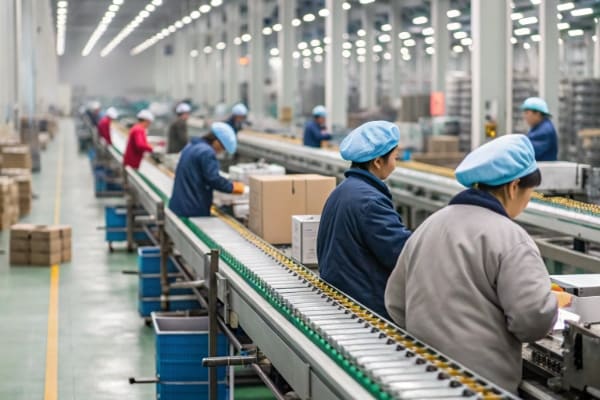
"Lead time" is one of the most important terms in sourcing. It's the time from when you place the order until the goods are ready to ship. This timeframe is influenced by several factors. The factory needs to order raw materials, which can take time. They need to set up their production line specifically for your product. And your order has to fit into their existing production schedule. I always advise clients to confirm the lead time before paying the deposit and to get it in writing. It's also important to remember that quality control4 inspections happen during and after production. We usually perform an inspection when the order is about 80% complete. This adds a day or two but allows us to catch any issues before the entire batch is finished, which saves a lot of time and money.
Factors That Influence Production Time:
- Order Quantity: Larger orders naturally take longer to produce.
- Product Complexity: Products with many components or complex assembly require more time.
- Raw Material Availability: If materials are not in stock, the factory must wait for them.
- Production Season: Factories are busiest before major holidays like Christmas.
What Logistics Challenges Affect the Timeline of Sourcing from China?
Your products are finally manufactured and have passed inspection. But now they have to travel halfway around the world. Shipping delays and customs issues can be unpredictable and frustrating.
Logistics and shipping from China can add 3 to 8 weeks to your total timeline. Sea freight, the most common method, takes 14-60 days depending on the destination port. Air freight is faster (5-10 days) but much more expensive. Customs clearance can add another 1-7 days or more if issues arise.
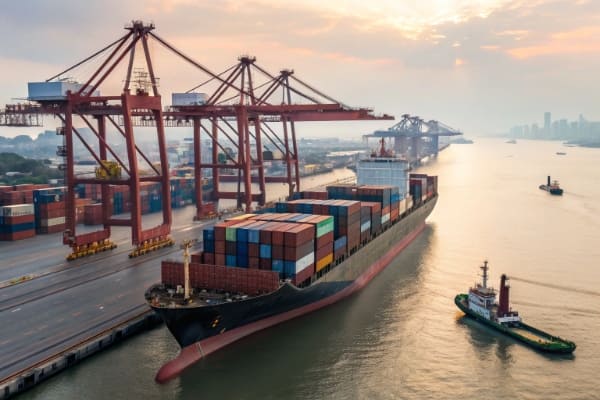
This is the final leg of the journey, but it's filled with potential hurdles. The biggest factor to plan for is Chinese national holidays, especially Chinese New Year. Factories and ports shut down for 2-4 weeks, creating a massive backlog. You have to plan your production around it. Then there's the shipping itself. A container ship doesn't travel in a straight line; it stops at multiple ports along the way. Port congestion, bad weather, and customs inspections can all add unexpected delays. I had a client whose shipment was selected for a random customs exam in the US. It added ten days to their delivery time. These things are out of your control, but a good logistics partner can help manage the paperwork to minimize risks. Using a DDP (Delivered Duty Paid)14 service simplifies this, as the provider handles everything from the factory door to your door.
| Shipping Method | Transit Time | Cost | Best For |
|---|---|---|---|
| Express Courier | 3-7 Days | Very High | Urgent samples, small parcels. |
| Air Freight | 5-10 Days | High | High-value, time-sensitive goods. |
| Sea Freight | 14-60 Days | Low | Large orders, non-urgent goods. |
Conclusion
Sourcing from China takes 3-6 months on average. Understanding each stage, from development to shipping, is key. Proper planning and a reliable partner will make the process successful.
Learn essential vetting techniques to ensure you partner with reliable suppliers in China. ↩
Understand the importance of sampling and how it impacts your sourcing success. ↩
Discover the typical timelines and factors affecting mass production in China. ↩
Find out how to ensure product quality through effective quality control measures. ↩
Explore common shipping challenges and how to navigate them for smoother logistics. ↩
Learn about the critical steps in product development to avoid costly mistakes. ↩
Explore the significance of a tech pack in ensuring accurate product specifications. ↩
Explore how Pantone codes ensure color accuracy in product design and branding. ↩
Learn about the importance of factory audits and how to conduct them effectively. ↩
Discover how a sourcing agent can simplify your sourcing process and save time. ↩
Understand the significance of a supplier's export history in ensuring reliability. ↩
Understand the RFQ process and its importance in supplier selection. ↩
Learn about the various factors that can affect production timelines in China. ↩
Learn about DDP shipping and how it simplifies the logistics process for sourcing. ↩