
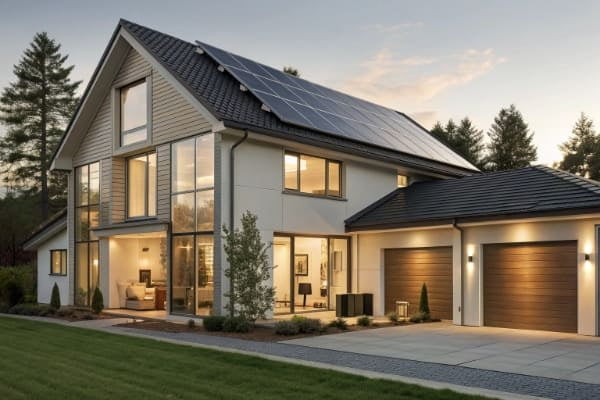
Tired of high electricity bills? You have solar panels1, but you still pay a lot to the power company. It feels like you're not getting the full benefit.
A hybrid solar inverter2 is key to saving money. It smartly uses your solar power3 first, stores extra energy in batteries for later, and can even sell power back to the grid. This cuts your reliance on expensive grid electricity4 and lowers your bills significantly.
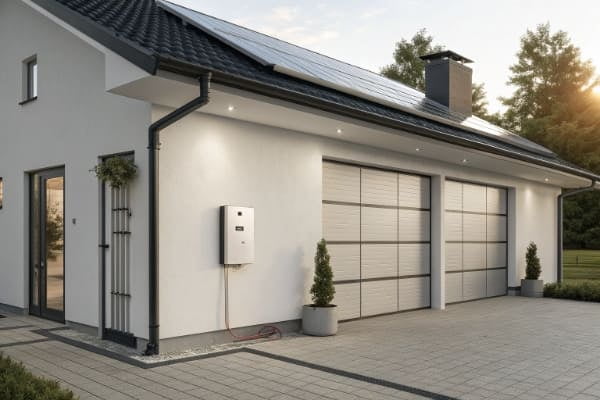
When I first got into solar, I thought just having panels was enough. I quickly learned that the real magic happens inside the inverter. A standard inverter just converts solar energy for immediate use. But a hybrid inverter does so much more. It's like the brain of your home's energy system. It decides where the power goes to give you the most savings. Let's look at how it works and how it can help you.
How do hybrid inverters optimize solar energy use?
Worried you're wasting the solar energy your panels produce? When the sun is shining but you're not home, that valuable power often goes back to the grid for very little credit.
A hybrid inverter solves this by storing excess solar energy in a battery. Instead of selling it cheap, you save it. You can then use this free, stored energy at night or on cloudy days, which directly maximizes the value of every bit of power you generate.
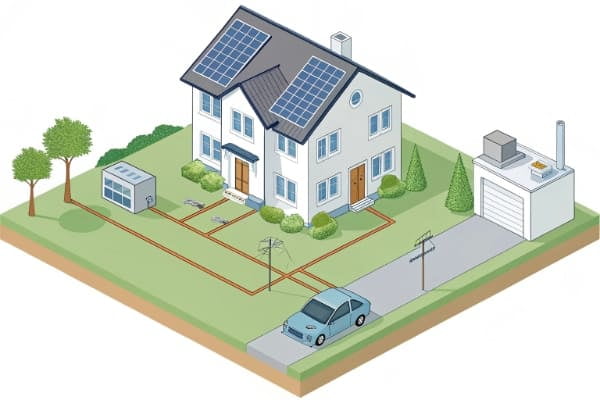
I remember looking at my energy bills5 after installing my first set of panels. I was generating plenty of power during the day, but my bills were still high. The problem was that my family used the most electricity in the evenings when the sun was down. A hybrid inverter changed everything. It acts as an intelligent traffic controller for your electricity.
Here’s a simple breakdown of its decision-making process:
| Priority | Energy Destination | Condition |
|---|---|---|
| 1 | Power Your Home | When the sun is shining, the inverter sends solar power3 directly to your appliances. |
| 2 | Charge Your Battery | If you're producing more power than you need, the excess goes to charge your battery. |
| 3 | Sell to the Grid | Once your battery is full, any extra power can be sold back to the grid (if allowed). |
This system ensures you use your own solar power3 first. This is the most valuable way to use it because it directly replaces electricity you would have bought from the utility company at their high retail rate. The inverter's smart logic means you're not just a power generator; you're an active manager of your own energy, always making the most cost-effective choice without lifting a finger.
How do hybrid inverters reduce your dependency on the grid?
Do you feel trapped by rising electricity prices and grid instability? Power outages can disrupt your life, and you have no control over what the utility company charges you each month.
Hybrid inverters give you energy independence6. By storing solar power3 in batteries, you create your own private energy reserve. This means you can power your home during blackouts and significantly reduce the amount of electricity you need to buy from the grid, giving you stability and control.

A few years ago, a big storm knocked out power in my neighborhood for two days. While my neighbors were scrambling for flashlights and generators, my house was running almost as usual. My lights, refrigerator, and internet were all on. This was possible because my hybrid inverter automatically switched to my battery backup when the grid went down. It was a seamless transition. I didn't have to do anything. This experience showed me that a hybrid system isn't just about saving money; it's about security. It reduces your reliance on a grid that can be unpredictable. You are no longer just a passive consumer. You have your own mini power station at home. This is especially important in areas with unstable grids, where the inverter can also protect your sensitive electronics from power surges and dips by providing a clean, stable energy supply.
How can you maximize solar energy during peak hours7 with hybrid inverters?
Are you paying extra for electricity during peak hours7 in the evening? Many utility companies use time-of-use pricing8, making power much more expensive when demand is highest, usually right when you get home from work.
A hybrid inverter helps you beat peak pricing. It lets you use the free solar energy stored in your battery during these expensive hours. Instead of buying high-priced grid power, you use the energy you saved from earlier in the day, slashing your peak-hour costs.
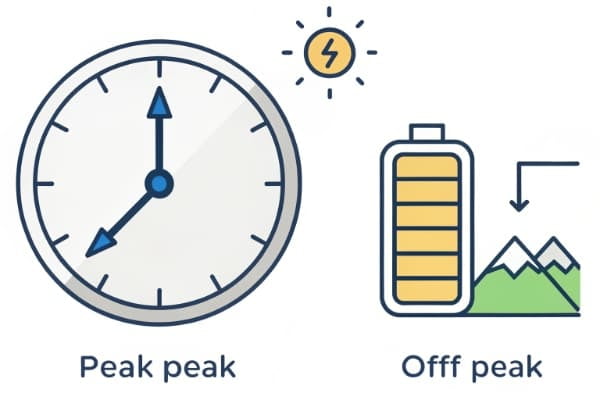
I saw my bills drop dramatically once I understood how to use my hybrid inverter with time-of-use rates. My electricity provider charges almost double for power used between 4 p.m. and 9 p.m. Before, this was when my family was cooking, watching TV, and using the most energy. Now, my hybrid inverter is programmed for this. During the day, it stores up all the free solar power3. As soon as the clock hits 4 p.m., the inverter automatically switches from the grid to the battery. My house runs on stored solar power3 all evening.
Some advanced systems even do something called "rate arbitrage."
- Charge Low: If your battery is low and it's a cloudy day, the inverter can be set to charge the battery from the grid during the cheapest "off-peak" hours (like after midnight).
- Discharge High: It then saves that cheap, stored grid power to use during the expensive peak hours7.
You are basically buying low and selling high to yourself. This level of control allows you to strategically avoid the highest electricity prices, ensuring you're always using the cheapest energy available.
How do hybrid inverters pay off over time?
Is the higher initial cost of a hybrid inverter holding you back? It's true they cost more than a simple grid-tied inverter, and it can be hard to see the long-term benefit.
A hybrid inverter provides a better return on investment9. It combines an inverter, a battery charger, and a backup power10 source into one device. This saves you money on separate components and provides much greater energy savings11 over its lifespan, helping it pay for itself faster.
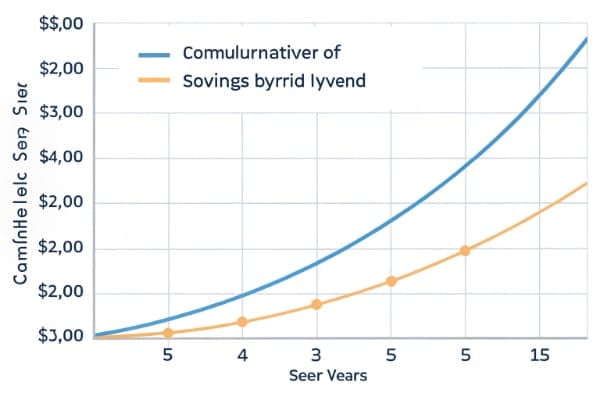
When I was deciding on my system, I had to choose between a basic inverter and a hybrid one. The hybrid model was more expensive upfront. But I did the math. A separate battery charger and a backup generator would have cost me a lot more. The hybrid inverter had all of that built-in. Plus, its ability to store and use energy smartly meant my monthly savings would be much bigger. A key advantage is scalability. You don't have to buy a huge battery system from day one. Many hybrid inverters are modular.
Scaling Your Investment
- Start Small: You can start with a hybrid inverter and your solar panels1.
- Add Batteries Later: As your budget allows, you can add batteries to the system.
- Expand Panels: If your energy needs grow, you can add more solar panels1.
This flexibility lets your investment grow with your needs and budget. The long-term savings from avoiding peak rates, having backup power10, and maximizing self-consumption make the initial cost well worth it. For me, the system paid for itself in about six years.
What is the role of hybrid inverters in reducing your carbon footprint12?
Do you want to do more for the environment? Having solar panels1 is a great first step, but you might still be using a lot of fossil-fuel-based grid power at night.
Hybrid inverters help you use more of your own clean energy13. By storing solar power3 for use 24/7, you drastically reduce your need for grid electricity4, which is often generated from coal or gas. This maximizes your home's use of renewable energy14 and significantly lowers your carbon footprint12.
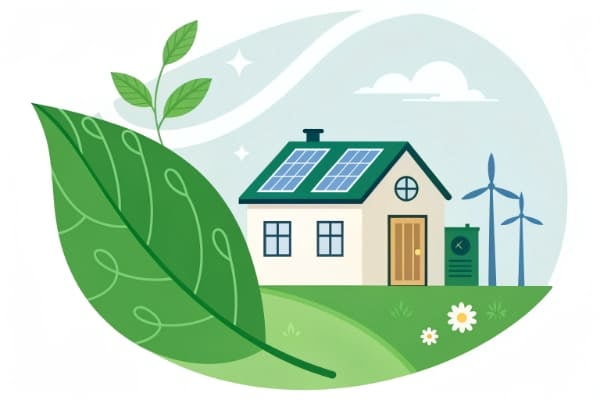
For me, going solar was about more than just saving money. I wanted to reduce my family's impact on the planet. A standard solar setup helps, but I realized I was still drawing power from the grid every single night. That grid power in my region comes mostly from burning natural gas. My hybrid inverter and battery system changed that. Now, a sunny day provides enough power for the day and the entire night. My reliance on fossil fuels has plummeted. It’s a great feeling to know that my home is powered almost entirely by the sun. Every kilowatt-hour of energy I store and use from my battery is one less kilowatt-hour that needs to be generated by a power plant. This direct substitution of clean energy13 for dirty energy is how a hybrid system makes a real, measurable difference for the environment. It empowers homeowners like us to be part of the solution to climate change.
Conclusion
A hybrid solar inverter2 is a smart investment that lowers bills, provides backup power10, and helps the environment by maximizing your use of clean, self-generated solar energy.
Learn about the various types of solar panels available and their benefits for your home. ↩
Explore how a hybrid solar inverter can significantly reduce your electricity bills and enhance energy independence. ↩
Learn about the fundamentals of solar power and how it can benefit your home energy system. ↩
Understand the role of grid electricity in your energy consumption and how to minimize its impact. ↩
Explore effective strategies to reduce your energy bills and save money on electricity. ↩
Find out how to gain energy independence through solar solutions and reduce reliance on the grid. ↩
Understand peak hours and how to optimize your energy usage during these times. ↩
Learn how time-of-use pricing affects your energy costs and how to navigate it effectively. ↩
Discover how solar energy systems can provide a strong return on investment over time. ↩
Explore the significance of backup power systems in ensuring energy reliability during outages. ↩
Find tips and strategies to maximize your energy savings through solar technology. ↩
Learn how solar energy can help you lower your carbon footprint and contribute to a greener planet. ↩
Discover the importance of clean energy and how it impacts the environment and your home. ↩
Learn about the benefits of renewable energy and how it contributes to a sustainable future. ↩