
Tired of high energy bills and worried about your carbon footprint? Powering your home with fossil fuels1 pollutes our planet. Solar offers a clean, sustainable, and cost-effective alternative.
Solar energy helps the environment at home by generating electricity without burning fossil fuels1. This significantly reduces your household's carbon emissions2, lowers air pollution3, conserves water, and decreases your reliance on non-renewable resources4, directly contributing to a healthier planet and a more stable climate.
This all sounds great, but how does it really work in practice? Let's break down the specific ways solar power makes a positive impact, starting with the biggest one: carbon emissions2. Understanding these benefits can help you see why so many people are making the switch.
How Does Solar Reduce Household Carbon Emissions?
Your home's electricity is likely a major source of CO2. This contributes to climate change every time you flip a switch. Solar panels generate clean power, cutting this pollution.
Solar panels reduce household carbon emissions2 by generating electricity from sunlight, a zero-emission source. This replaces power from the grid, which often comes from burning fossil fuels1 like coal and natural gas. By avoiding these CO2 emissions, your home's carbon footprint shrinks significantly.
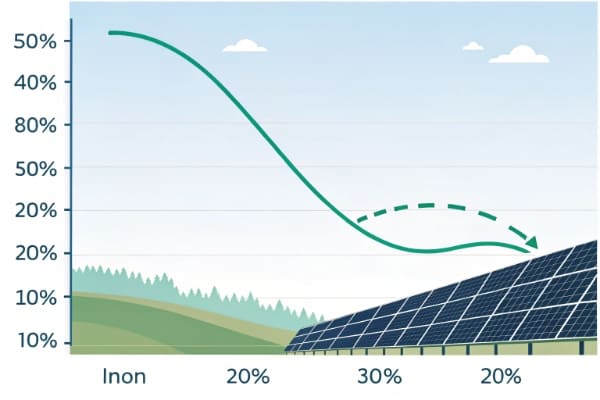
When I first looked into solar, I was shocked to see how much CO2 my home was responsible for. The average home uses electricity generated mostly from fossil fuels1. Every kilowatt-hour from a coal plant releases about 2 pounds of CO2. Natural gas is better, but still pollutes. Solar panels, on the other hand, produce zero emissions while they operate. This direct replacement is the core benefit. You're not just using less dirty energy; you're actively adding clean energy5 to the system. It's a powerful change you can make right from your own rooftop. It feels good knowing that my daily activities, like running the dishwasher or watching TV, are powered by the sun and not contributing to climate change. This simple switch has a massive, positive ripple effect.
Direct Impact on Your Carbon Footprint
The most immediate environmental benefit of home solar is the reduction in your personal carbon footprint. By producing your own clean electricity, you directly offset the need for power from centralized, polluting plants.
Comparing Energy Sources
Not all energy is created equal. The difference in emissions between solar and fossil fuels1 is staggering.
| Energy Source | CO2 Emissions (per kWh) |
|---|---|
| Solar Panels | ~0 lbs |
| Natural Gas | ~0.9 lbs |
| Coal | ~2.2 lbs |
This table makes it clear. Every hour your home runs on solar, you are preventing pounds of CO2 from entering the atmosphere.
Can Solar Lower Air Pollution in Cities?
City air can be filled with smog and pollutants from power plants. This affects everyone's health. More homes with solar means less need for these polluting sources.
Yes, solar can significantly lower air pollution3 in cities. When many homes adopt solar, the collective demand for electricity from fossil fuel power plants decreases. This reduces the emission of harmful pollutants like sulfur dioxide6 (SO2), nitrogen oxides7 (NOx), and particulate matter8, leading to cleaner air.

We often focus on CO2, but traditional power plants release other nasty stuff. I'm talking about pollutants that cause smog, acid rain, and serious respiratory problems. For example, sulfur dioxide6 and nitrogen oxides7 are major culprits. When I lived in a bigger city, I remember days when the air quality was poor, and you could feel it. By switching to solar, we're not just fighting long-term climate change; we're improving our local air quality right now. Imagine if entire neighborhoods adopted solar. The reduced strain on local power plants would mean less pollution blanketing the city. This benefits everyone, especially children and the elderly who are more vulnerable to air pollution3. It’s a direct investment in the health of your family and your neighbors. It’s a community-wide benefit that starts with individual homes.
Beyond Carbon Dioxide
The environmental benefits go far beyond just CO2. Burning fossil fuels1 releases a cocktail of harmful chemicals into the air we breathe.
- Sulfur Dioxide (SO2): Contributes to acid rain and respiratory issues.
- Nitrogen Oxides (NOx): A key ingredient in smog and ground-level ozone.
- Particulate Matter (PM2.5): Tiny particles that can enter the lungs and bloodstream, causing serious health problems.
Solar power generation creates none of these pollutants.
A Healthier Community
When a neighborhood adopts solar power, it becomes a healthier place to live. The reduction in local air pollution3 can lead to lower rates of asthma and other respiratory illnesses. It also helps protect local ecosystems from the damaging effects of acid rain. Clean air is a shared resource, and home solar is a direct way to help protect it for everyone in your community.
Does Solar Help Save Energy Costs at Home?
Electricity bills seem to only go up, making budgets tight. Relying on the grid means you have no control. Solar lets you generate your own power and save money.
Yes, solar absolutely helps save energy costs9 at home. By generating your own electricity, you purchase significantly less from the utility company, lowering your monthly bills. Many homeowners even sell excess power back to the grid for credits, potentially eliminating their electricity costs entirely over time.

The financial side was a huge factor for me. At first, the upfront cost seems high, but you have to think long-term. Your solar panels10 start saving you money from day one. Here's how it works: you use the free electricity your panels produce first. If you need more, you pull from the grid. If you produce extra, you can send it back to the grid for a credit—a system called net metering11. Over many years, these savings add up and pay for the system itself. After that, it's almost pure profit. I love seeing my power bill drop so low. It's not just about helping the environment; it’s a smart financial investment that gives you energy independence12 and protects you from rising electricity prices.
How You Save Money
The savings from solar come in a few different ways. You gain control over your energy costs9 instead of being subject to the utility's changing rates.
- Reduced Monthly Bills: You generate your own power, so you buy less from the utility.
- Net Metering Credits: You can earn credits for the excess energy you send back to the grid.
- Protection from Rate Hikes: Your cost for solar energy13 is locked in, so you don't have to worry about future price increases from the utility company.
Long-Term Financial Benefits
Think of solar panels10 as an investment that pays for itself.
| Metric | Without Solar | With Solar |
|---|---|---|
| Monthly Energy Bill | $150 (and rising) | $20 (or even a credit) |
| Energy Source | Utility Grid (fossil fuels1) | Rooftop Panels (sunlight) |
| Long-Term Cost | Indefinite monthly payments | Fixed investment, then free power |
Over the 25+ year lifespan of a solar panel system, the total savings can be in the tens of thousands of dollars.
Is Solar Suitable for Apartments or Renters?
Feel left out of the solar revolution because you rent or live in an apartment? You think you can't install panels. But there are still ways for you to access clean energy5.
While installing panels on a rented roof is difficult, renters and apartment dwellers can still go solar. Options like community solar14 programs, purchasing green power from your utility, or using portable solar panels10 for small devices allow you to support and benefit from clean energy5 without owning a home.
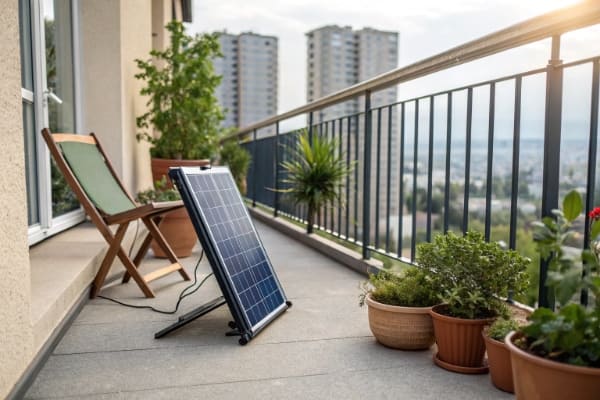
I get this question a lot from friends who rent. They want to help but feel stuck. The good news is, you have options. Many utility companies now offer a "green power" plan. You might pay a little extra, but it ensures the electricity you use is sourced from renewable energy projects. Another great option is portable solar. I have a small solar charger15 for my phone and laptop when I go camping. You can get larger portable kits to power small appliances in your apartment, especially on a balcony. While you won't power your whole home, every bit of clean energy5 helps reduce demand on the grid. It's about taking the steps you can, where you are. We'll talk more about another huge option, community solar14, next.
Options Without a Roof
You don't need to own a house to support solar energy13.
- Green Power Plans: Check with your utility provider. Many offer programs where you can pay a small premium to source your electricity from renewable sources like solar and wind farms.
- Community Solar: This is one of the best options for renters. You subscribe to a local solar farm and get credits on your bill.
- Portable Solar: For a smaller-scale impact, portable solar panels10 can power your personal devices, lights, and small appliances, reducing your direct pull from the grid.
Small-Scale Solar Solutions
Even small steps make a difference. Using a solar-powered charger for your phone or a solar-powered light on your balcony contributes to the clean energy5 movement. These actions help build awareness and reduce your personal energy consumption from non-renewable sources, proving that everyone can play a part in the transition to clean energy5.
What Is Community Solar and How Does It Help?
Want solar benefits without putting panels on your roof? The cost and installation can be a barrier. Community solar lets you subscribe to a shared solar farm for clean energy5.
Community solar is a shared solar power system. Individuals can buy or subscribe to a portion of a large, local solar farm. In return, they receive credits on their electricity bill for the power their share produces, making solar accessible to renters, apartment dwellers, and homeowners.
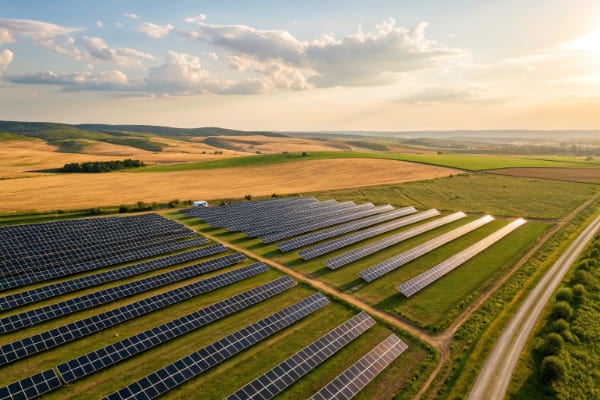
Community solar is a game-changer. Think of it like a community garden, but for electricity. A large solar array is built in a sunny, central location. Instead of buying a whole system, you just subscribe to a few "panels" in this solar farm. The farm generates power and sends it to the local grid. Based on how much your share produces, you get a credit on your regular electricity bill. I have a friend who lives in an apartment who does this. He couldn't install his own panels, but he still gets the financial and environmental benefits. It’s perfect for people whose roofs aren't suitable for solar, who rent, or who can't afford the upfront cost of a full installation. It democratizes clean energy5 for everyone.
How Community Solar Works
The process is simple and requires no installation on your property.
| Step | Action | Outcome |
|---|---|---|
| 1. Subscribe | You sign up for a share in a local solar farm. | You are assigned a portion of the farm's output. |
| 2. Generate | The solar farm produces clean electricity for the grid. | The utility tracks your share's production. |
| 3. Credit | You receive a credit on your utility bill. | Your monthly electricity costs are reduced. |
Who Benefits from Community Solar?
This model is designed to make solar accessible to a wider audience.
- Renters and Apartment Dwellers: No roof ownership is required.
- Homeowners with Unsuitable Roofs: If your roof is too shady or old, you can still go solar.
- Low-to-Moderate Income Households: Subscription models often have no upfront cost, removing a major financial barrier.
- Anyone Who Wants to Support Clean Energy: It's an easy way to make a positive environmental impact without a long-term commitment.
How Can Homeowners Switch to Solar?
Ready to switch to solar but don't know where to start? The process can seem complicated and overwhelming. A few simple steps can get you on the path to clean energy5.
Homeowners can switch to solar by first getting a professional solar assessment16 to check their roof's suitability and energy needs. Then, they should get quotes from several certified installers, explore financing options or incentives, and finally, sign a contract for installation and connection to the grid.
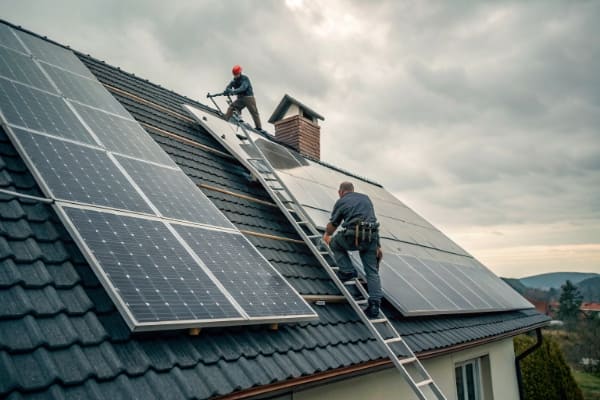
Making the switch was one of the best decisions I've made, and it’s easier than you think. First, get a solar assessment16. A professional will look at your roof, its angle, and any shading to see if it's a good fit. They'll also analyze your energy bills to size a system that meets your needs. Next, get at least three quotes from reputable installers. Don't just look at the price; consider the quality of the panels and the company's warranty and reviews. Be sure to ask about federal tax credits and local incentives, as they can dramatically lower the cost. Once you choose an installer, they handle most of the paperwork, permits, and the final installation. The day they flipped the switch and I saw my meter running backward was truly amazing.
Your Step-by-Step Guide
The path to getting solar panels10 on your roof can be broken down into a few key steps.
- Research & Assessment: Start by understanding your energy usage. Contact a solar company for a free assessment to see if your home is a good candidate.
- Get Multiple Quotes: Don't go with the first offer. Solicit quotes from at least three certified installers to compare costs, equipment, and warranties.
- Explore Financing & Incentives: Look into solar loans, leases, and Power Purchase Agreements (PPAs). Ask installers about the federal solar tax credit and any state or local rebates.
- Sign Contract & Installation: Once you choose an installer and financing option, you'll sign a contract. The company will then handle permits and schedule the installation.
- Inspection & Activation: After installation, a city inspector will approve the system. The utility company will then give you permission to operate, and you can start generating clean energy.
Finding the Right Partner
Choosing the right solar installer is crucial. Look for a company with a strong track record, positive customer reviews, and industry certifications. A good partner will guide you through the entire process, from the initial consultation to the final activation, making your transition to solar smooth and stress-free.
Conclusion
Switching to solar at home is a powerful way to reduce your carbon footprint, clean the air, and save money, making a real difference for the environment.
Learn about the detrimental effects of fossil fuels on the environment and health. ↩
Understanding carbon emissions is crucial for grasping their role in climate change and how to mitigate them. ↩
Explore the serious health implications of air pollution and the importance of reducing it. ↩
Discover the importance of renewable resources in achieving sustainability. ↩
Discover the significance of clean energy in combating climate change and promoting sustainability. ↩
Learn about the harmful effects of sulfur dioxide and its role in air pollution. ↩
Explore the impact of nitrogen oxides on air quality and public health. ↩
Understand the dangers of particulate matter and its effects on respiratory health. ↩
Discover how switching to solar can lead to significant savings on energy bills. ↩
Understand the technology behind solar panels and their role in generating clean energy. ↩
Learn how net metering can help homeowners save money and promote solar energy use. ↩
Learn about the benefits of energy independence and how solar energy contributes to it. ↩
Explore the numerous advantages of solar energy, including environmental and financial benefits. ↩
Find out how community solar makes renewable energy accessible to everyone, including renters. ↩
Learn about solar chargers and how they can help you use clean energy on the go. ↩
Find out why a solar assessment is crucial for determining your home's solar potential. ↩