
Struggling to get your products from China to Germany? The process seems complex, with hidden costs and delays. You need a clear, predictable path for your cargo.
Ocean freight1 is the most cost-effective method2 for shipping large volumes from China to Germany, typically taking 30-40 days. The process involves booking with a forwarder, customs clearance3 in both countries, and final delivery from a port like Hamburg to your warehouse.
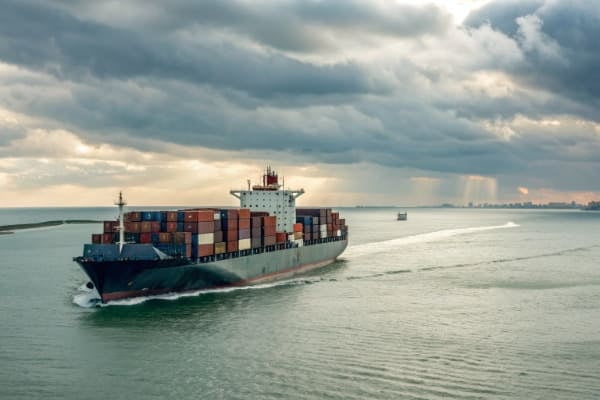
Shipping goods across continents can feel like a huge puzzle. I've worked with many business owners, like David from the US, who felt overwhelmed by the logistics of moving their custom products from our factories in China to their customers in Europe. They worried about transit time4s, unexpected fees, and whether their shipment would even arrive safely. But once you break it down, the process is quite manageable. Let's walk through exactly how it works, so you can ship with confidence.
What Is Ocean Freight from China to Germany and When Should You Use It?
Is your cargo too heavy or bulky for air freight? The high cost of flying goods can eat into your profits, especially for large orders or low-margin products.
You should use ocean freight when shipping more than 2 cubic meters or over 200 kg. It's the most economical choice for bulk goods, promotional products, and any inventory where you can plan for a longer transit time4 of around 30-40 days.
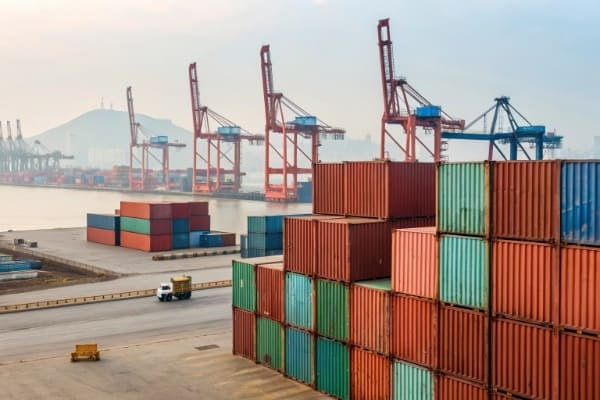
When I first started helping clients ship internationally, many of them defaulted to air freight because it seemed faster and simpler. But then they saw the invoice. For anything but the most urgent, lightweight samples, the cost is just too high. Ocean freight1 is the backbone of global trade for a reason. It's perfect for businesses that need to move significant inventory without breaking the bank. The key is planning. If you can build the 30-40 day transit time4 into your production schedule, you can save thousands of dollars.
There are two main types of ocean freight you'll encounter:
Full Container Load (FCL)5 vs. Less than Container Load (LCL)6
- FCL (Full Container Load): You rent an entire 20ft or 40ft container for your goods alone. This is the most cost-effective option if you have enough cargo to fill at least half a container. It's also more secure and slightly faster since the container is sealed at the factory and opened at your destination.
- LCL (Less than Container Load): Your goods are consolidated with other shipments in one container. You only pay for the space you use, measured in cubic meters (CBM). This is ideal for smaller shipments. From my experience, LCL is perfect for clients testing a new product or sending a smaller batch of promotional items for an event. The downside is a slightly longer transit time4 due to the consolidation and deconsolidation process at both ports.
| Feature | FCL (Full Container Load) | LCL (Less than Container Load) |
|---|---|---|
| Best For | Bulk cargo (15+ CBM) | Smaller shipments (2-15 CBM) |
| Cost Structure | Flat rate per container | Per cubic meter (CBM) |
| Security | Higher (sealed container) | Lower (shared container) |
| Transit Time | Generally faster | Slightly longer due to handling |
What Is the Complete Ocean Freight Process to Germany?
Worried your shipment will get stuck somewhere between the factory and your warehouse? Managing paperwork and multiple logistics partners across different countries can feel like a recipe for disaster.
The ocean freight process7 involves six key steps: export haulage, origin handling, ocean transit, destination handling, customs clearance3, and import haulage. A good freight forwarder8 manages this entire chain for you, ensuring a smooth transition from factory to final destination.
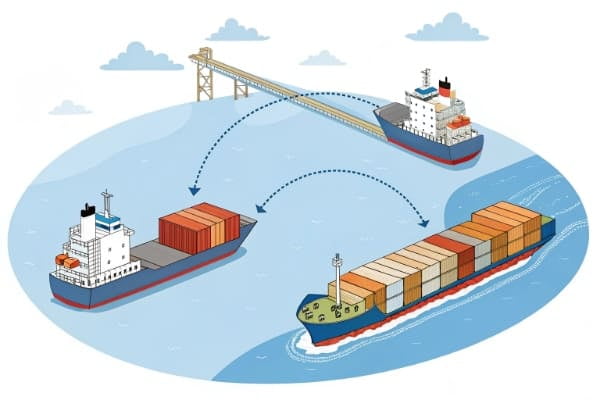
I often tell my clients that the best way to understand the process is to see it as a relay race. The cargo is the baton, and each step is a different runner. A good freight forwarder8 acts as the team captain, making sure every handoff is perfect. If one step is missed—like incorrect paperwork at customs—the whole race can be lost. Our job at Toncentlink is to be that captain for you, managing everything from our end in China.
Here’s a more detailed breakdown of the journey your goods take:
Step-by-Step Ocean Freight Journey
- Export Haulage (Factory to Port): First, we arrange for a truck to pick up your finished goods from the factory in China. This trip to the port of departure (like Shanghai or Shenzhen) usually takes 1-3 days.
- Origin Handling & Export Customs: At the port, your cargo is loaded into its designated container (for FCL) or consolidated with other goods (for LCL). We handle all the export customs documentation to clear your goods for departure from China.
- Ocean Freight: The container is loaded onto a cargo ship, which then sails from China to Germany. This is the longest part of the journey, taking about 25-35 days.
- Destination Handling & Import Customs: Upon arrival at a port like Hamburg, the container is unloaded. We then work with our partners in Germany to handle all import customs procedures. This requires a commercial invoice9, packing list, and Bill of Lading10. Accurate HS codes11 are critical here to avoid delays and fines.
- Import Haulage (Port to Destination): Once cleared, your goods are loaded onto a truck, train, or barge for inland transport.
- Final Delivery: The cargo arrives at your specified warehouse or fulfillment center, completing the journey.
Which Shipping Routes and German Ports Are Most Common?
Are you unsure which ports in China and Germany are best for your shipment? Choosing the wrong route can add unnecessary time and cost to your delivery, impacting your entire supply chain.
Most shipments travel from major Chinese ports like Shanghai, Shenzhen, and Ningbo to Hamburg in Germany. The primary sea route goes through the Suez Canal, though some ships may travel around Africa. Many shipments also arrive at Rotterdam (Netherlands) or Antwerp (Belgium) for transport into Germany.
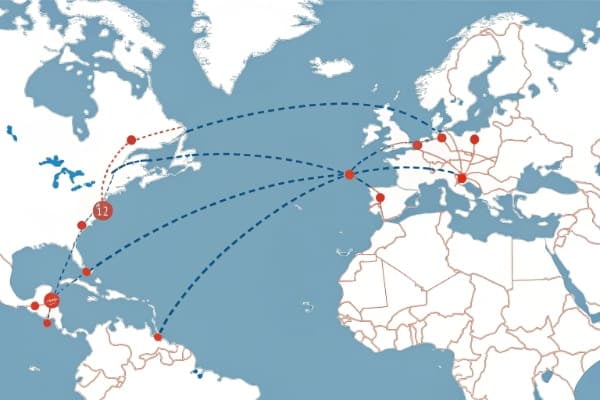
Choosing the right ports is a strategic decision that balances cost and speed. For most of my clients shipping to Germany, Hamburg is the go-to port. It's Germany's largest and one of the busiest in Europe, with excellent connections to the rest of the country. However, we don't just look at the main destination port. We also consider the origin. Depending on where your factory is located in China, it might be faster and cheaper to ship from a nearby port like Ningbo or Qingdao rather than trucking everything to Shanghai.
We also look at creative routing options to optimize delivery. Here's how the port choices break down:
Major Ports and Inland Connections
- Main Chinese Export Ports: Shanghai, Shenzhen, Ningbo, and Qingdao handle the vast majority of cargo heading to Europe. Their massive infrastructure ensures frequent sailings and competitive rates.
- Main German Arrival Port: Hamburg is the primary gateway. Its advanced logistics network allows for quick onward distribution by truck, rail, or barge.
- Alternative European Hubs: Sometimes, it's more efficient to ship to Rotterdam (Netherlands) or Antwerp (Belgium). These ports are incredibly efficient and have fantastic rail and barge connections into Germany's industrial heartland, like the Ruhr area. This can sometimes shave a day or two off the total transit time4 compared to trucking from Hamburg, especially for destinations in western Germany. Using these hubs before transferring to inland transport can cut total transit by 5-7 days compared to relying solely on trucks for the final leg.
How Long Does Ocean Freight from China to Germany Take?
Can you afford to wait two months for your products to arrive? Miscalculating transit time4 can lead to stockouts, missed deadlines, and unhappy customers, hurting your brand's reputation.
Total transit time4 for ocean freight from China to Germany is typically 30 to 40 days door-to-door. This includes about 25-35 days for sea transit, plus additional time for inland transport and customs clearance3 at both ends.
One of the biggest mistakes I see new importers make is only looking at the port-to-port sailing time. A carrier might advertise a 28-day transit, but that doesn't account for the full door-to-door journey. You have to factor in the time it takes to get the goods to the port in China and from the port in Germany to your final destination. When we provide a quote, we always give a realistic door-to-door estimate so you can plan your inventory and marketing campaigns accurately.
Let's look at a realistic timeline for a shipment:
Breakdown of a Typical 35-Day Transit
| Stage | Duration | Description |
|---|---|---|
| 1. Factory to China Port | 1-3 Days | Trucking your goods from the manufacturing site to the port of departure. |
| 2. Port Handling & Customs | 2-4 Days | Loading, consolidation (for LCL), and export customs clearance3 in China. |
| 3. Ocean Transit | 25-35 Days | The actual time the ship is at sea, sailing from China to Germany. |
| 4. Port Handling & Customs | 2-5 Days | Unloading, deconsolidation, and import customs clearance3 in Germany. |
| 5. Germany Port to Final Address | 1-3 Days | Inland trucking or rail from the port (e.g., Hamburg) to your warehouse. |
It's also crucial to be aware of seasonal delays. During peak seasons like the lead-up to Christmas (August-October) or right before Chinese New Year (January-February), ports become congested, and shipping lines can get overbooked. This can easily add another 7-10 days to your total transit time4.
What Are the Ocean Freight Costs to Germany and Main Cost Factors?
Are you worried about hidden fees blowing up your shipping budget? Unpredictable costs can turn a profitable product line into a loss-maker, making it hard to set a final price.
The cost for a 40ft container (FCL) from China to Germany ranges from $2,000 to $3,410. For smaller LCL shipments, expect to pay around $73 per cubic meter. Costs fluctuate based on fuel prices, demand, season, and carrier.
I always advise my clients to get a detailed, all-inclusive quote. Some forwarders lure you in with a low ocean freight rate, only to add a dozen other charges later. A transparent quote should break down every component, from pickup and port fees to customs and final delivery. This is why DDP (Delivered Duty Paid)12 shipping is so popular—it bundles all these costs into one price, so you know exactly what you're paying upfront.
The final price is influenced by several moving parts. Understanding them helps you budget better.
Key Factors Influencing Your Shipping Cost
- Cargo Volume & Weight: The biggest factor. Are you shipping FCL or LCL? For LCL, the cost is calculated by the volume (in CBM) or weight, whichever is greater.
- Shipping Season: Demand for shipping is not flat year-round. During peak season (August-October), rates can increase by 20-50% as businesses stock up for the holidays. Prices also spike before Chinese New Year.
- Container Type: A standard 40ft container is the benchmark, but you might need a refrigerated (reefer) container or an open-top container, which cost more.
- Fuel Prices (BAF): The Bunker Adjustment Factor (BAF) is a surcharge that carriers add to cover fluctuating fuel costs. This can change monthly.
- Inland Logistics: The cost of trucking or railing your goods from the factory to the port and from the destination port to your warehouse is a significant part of the total.
- Insurance: Don't skip this. Standard insurance13 covers 110% of your cargo's value against risks like damage, loss, or even piracy. It's a small price for huge peace of mind.
How to Choose a Reliable Ocean Freight Forwarder for Germany?
Do you feel like you're on your own when dealing with Chinese suppliers and shippers? A lack of a reliable partner on the ground can lead to quality issues, delays, and communication nightmares.
Choose a forwarder that offers an all-in-one service, acting as your local team in China. They should have a strong network, offer transparent DDP pricing, manage quality control14, and provide clear, professional communication throughout the entire process.

Your freight forwarder8 shouldn't just be a shipping agent; they should be your supply chain partner. When I founded Toncentlink, my goal was to create the service I wished I had when I was an importer—a single, trustworthy partner in China to manage everything. This means not just booking a container, but also verifying the factory, inspecting the goods before they ship, and handling all the complex logistics in between. A good partner saves you more than just money on shipping; they save you time, reduce your risks, and give you the confidence to scale your business.
When you're vetting a potential partner, here's what you should look for:
Checklist for a Great Freight Forwarder
- One-Stop Service: Can they handle everything from sourcing and quality control14 to branding, consolidation, and final DDP delivery? An integrated solution prevents miscommunication between different vendors.
- Local China Team: Having a professional team on the ground in China is non-negotiable. They are your eyes and ears, able to visit factories and solve problems in real-time in the local language.
- Experience with Germany: Ask for case studies or references for shipments to Germany. They should be experts in German customs regulations and know the most efficient inland routes.
- Transparent DDP Pricing: Insist on a clear, itemized quote with no hidden fees. A reliable forwarder will offer DDP (Delivered Duty Paid)12 shipping, so you have one clear, final cost.
- Strong Communication: They should provide proactive updates and be easy to reach. Fast, professional English communication is a must. You shouldn't have to chase them for information about your shipment.
Conclusion
Ocean freight1 from China to Germany is a reliable and cost-effective process when managed correctly. By understanding the steps, costs, and timelines, you can confidently build a robust supply chain.
Understanding ocean freight is crucial for cost-effective shipping from China to Germany. ↩
Explore various shipping methods to find the most economical options for your business. ↩
Learn about customs clearance to avoid delays and ensure smooth shipping. ↩
Knowing transit times helps in inventory management and planning. ↩
Discover the benefits of FCL shipping for large shipments and cost savings. ↩
Find out how LCL can be a flexible option for smaller shipments. ↩
Understanding the ocean freight process helps in planning and execution. ↩
Choosing the right freight forwarder is essential for smooth logistics. ↩
Learn about the importance of a commercial invoice for customs. ↩
Understanding the Bill of Lading is crucial for shipping documentation. ↩
Learn about HS codes to avoid customs delays and fines. ↩
Learn how DDP shipping can simplify your logistics and budgeting. ↩
Discover the importance of insurance to protect your shipments. ↩
Learn how quality control can prevent issues during shipping. ↩