
Shipping goods from China to Canada feels overwhelming. Delays and confusing paperwork can stall your business. Let me show you how air freight makes it fast and simple.
Air freight from China to Canada1 is a fast shipping method, typically taking 3-8 days door-to-door. A freight forwarder2 manages the entire process: pickup, export/import customs clearance3, the international flight, and final delivery to your address. It’s a streamlined solution for urgent shipments.
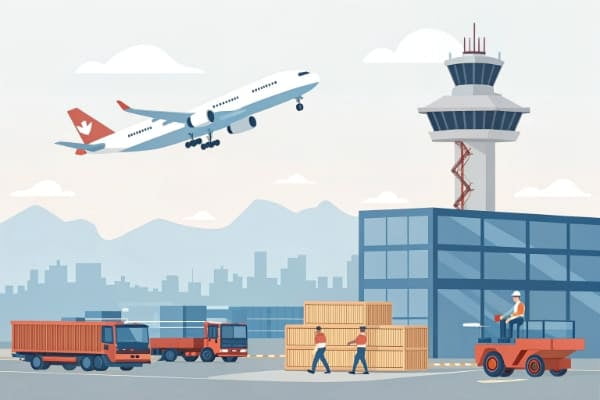
I remember my first time coordinating an urgent air shipment for a client's big product launch in Toronto. It felt like a race against time. The key was breaking it down into manageable steps. If you want to master this process and avoid costly mistakes, let's walk through each stage together.
What Is Air Freight from China to Canada and When Should You Use It?
Choosing between sea and air freight is tough. Slow sea shipping can hurt your deadlines and cash flow. Air freight is the perfect solution for time-sensitive and high-value goods.
Air freight is the process of transporting goods via an air carrier. You should use it for high-value items4 to reduce transit risk, time-sensitive products5 to meet deadlines, or perishable goods6 that require fast delivery. It’s ideal when speed is more important than cost.
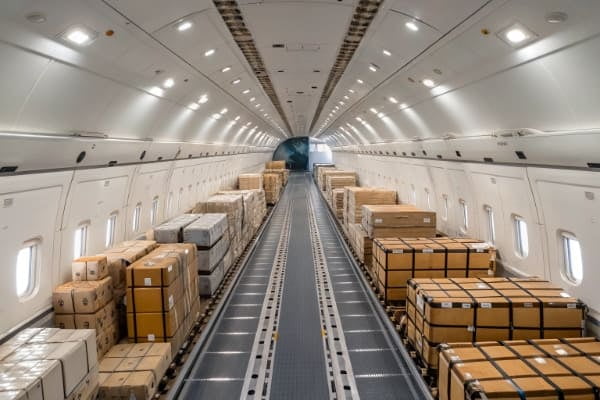
Air freight is all about speed and security. It's the best choice when your supply chain can't afford delays.
For Time-Sensitive Shipments
Think about a new product launch in Vancouver or an urgent restock for your Shopify store before a big sale. Waiting 30-40 days for sea freight isn't an option. Air freight gets your products there in days, keeping your customers happy and your sales on track. It's also great for sending samples to get quick feedback before a large production run.
For High-Value or Fragile Goods
If you're shipping expensive electronics or delicate promotional items, the longer they are in transit, the higher the risk of damage or theft. Air freight significantly reduces transit time7. This means less handling and a more secure journey, giving you peace of mind.
Air vs. Sea Freight Comparison
| Feature | Air Freight | Sea Freight |
|---|---|---|
| Transit Time | 3-8 Days | 30-45 Days |
| Cost | Higher | Lower |
| Best For | Urgent, High-Value | Bulk, Low-Value |
| Security | High | Moderate |
Choosing the right method depends entirely on your business needs for that specific shipment.
What Are the Key Steps in the Air Freight Process?
Shipping goods internationally can feel like a black box. You ship them and just hope they arrive, causing anxiety. Knowing the key steps gives you clarity and control over your cargo.
The air freight process has five main steps. It starts with cargo pickup from the factory in China. Next is export customs clearance3. Then, the international flight to Canada. After arrival, it goes through import customs clearance3. Finally, the goods are delivered to your door.
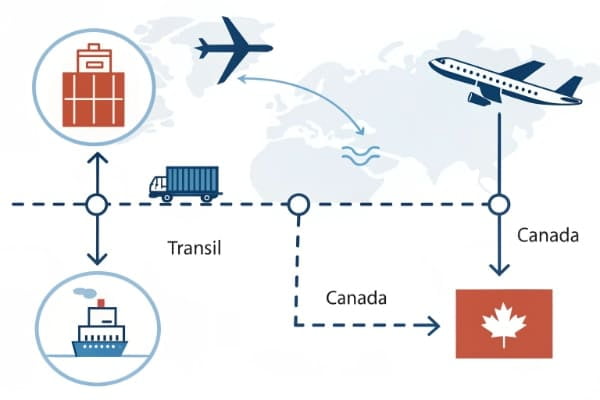
Let's break down the journey your goods take from a factory in China to your warehouse in Canada. Each step is crucial for a smooth delivery.
Step 1: Cargo Pickup & Export Prep
First, a truck picks up your products from the factory. The goods are taken to a warehouse near the airport. Here, we check the weight and dimensions, ensure packaging is secure, and prepare it for export.
Step 2: Export Customs Clearance
Before leaving China, goods must clear export customs. This involves submitting documents like the Commercial Invoice and Packing List. We handle this paperwork to ensure full compliance with Chinese regulations.
Step 3: The International Flight
Once cleared, your cargo is loaded onto the plane. We book space on flights from hubs like Shanghai (PVG) to Toronto (YYZ). You'll get an Air Waybill (AWB)8 with a tracking number.
Step 4: Import Customs in Canada
Upon arrival, the shipment must clear the Canada Border Services Agency (CBSA)9. This requires correct HS codes10 for your products to determine duties and taxes (GST/PST/HST).
Step 5: Final Delivery
After customs release, your cargo is picked up from the airport and delivered to its final destination, whether it's your office or a fulfillment center.
Who Handles What in the Air Freight Process?
Managing multiple parties for one shipment is a headache. Trying to coordinate everything from Canada leads to miscommunication and delays. A freight forwarder2 simplifies it all by acting as your single partner.
In air freight, roles are clear. Your supplier11 prepares the goods. You, the importer12, provide the final address and payment. The freight forwarder2, like us at Toncentlink, manages everything in between: booking, paperwork, customs coordination, and tracking, acting as your logistics quarterback13.
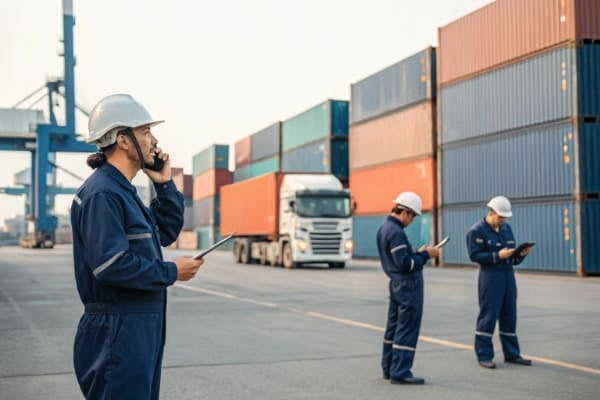
Successfully shipping by air is a team effort, but you don't have to manage the whole team yourself. Understanding who does what is key. Your main partner in this is your freight forwarder2.
The Key Players
Your Supplier (Shipper) is responsible for producing the goods and packing them according to your specifications. You, the Importer (Consignee), are responsible for paying for the goods and the freight service. The Airline (Carrier) physically transports the cargo. Customs brokers in both China and Canada handle the legal clearance.
The Freight Forwarder's Role
Think of the freight forwarder2 as the project manager for your shipment. We don't own the planes, but we coordinate all the players. We book the cargo space, prepare the documents, talk to customs, and arrange the ground transport. This saves you from having to deal with multiple companies in different time zones.
Who Handles What: A Simple Breakdown
| Task | Handled By |
|---|---|
| Producing Goods | Supplier / Factory |
| Booking Flight | Freight Forwarder |
| Export Customs | Freight Forwarder |
| International Transport | Airline |
| Import Customs | Freight Forwarder / Customs Broker |
| Paying Duties & Taxes | Importer (You) |
| Final Delivery | Freight Forwarder |
This system lets you focus on your business, not on logistics.
How Long Does Air Freight Take and How Much Does It Cost?
Budgeting for shipping is critical. Surprise costs and unpredictable delays can completely ruin your profit margins. Understanding the key factors helps you plan with confidence and avoid hidden fees.
Air freight from China to Canada1 typically takes 3-8 days door-to-door. The cost generally ranges from $3 to $6 USD per kilogram. Pricing is based on chargeable weight14, which is the greater of the actual weight or the volumetric weight of your shipment.
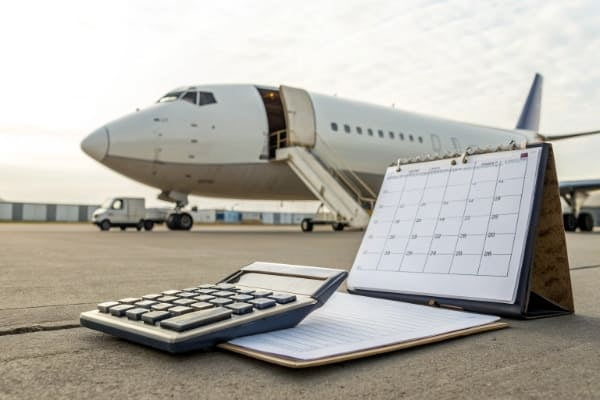
Time and cost are the two biggest questions in shipping. For air freight, the answers depend on a few key variables.
Transit Time Breakdown
The 3-8 day door-to-door timeline includes more than just the flight. It typically breaks down like this:
- 1-2 days: Pickup, export prep, and customs clearance3 in China.
- 1-2 days: The actual flight time from a major Chinese airport to Canada.
- 1-4 days: Import customs clearance3 and final-mile delivery in Canada. Weekends or holidays can add a day or two.
How Costs Are Calculated
The final price isn't just a simple per-kilogram rate. It includes fuel surcharges, security fees, airport handling, and customs clearance3 fees. However, the biggest factor is the "chargeable weight14."
What is Chargeable Weight?
Airlines charge based on whichever is greater: the actual weight of the box or its volumetric weight. This is because a large, light box of pillows takes up more space than a small, heavy box of batteries.
- Formula: (Length cm x Width cm x Height cm) / 6000 = Volumetric Weight in kg. For example, a 10kg box measuring 50x40x40cm has a volumetric weight of (504040)/6000 = 13.33kg. You would be charged for 13.33kg, not 10kg.
How to Choose a Reliable Air Freight Forwarder from China to Canada?
The wrong freight forwarder2 can be a disaster for your business. Poor communication and missed deadlines lead to lost sales and stress. Choosing a reliable partner ensures your supply chain is safe.
Choose a freight forwarder2 with experience in the China-to-Canada route. Look for clear communication, transparent pricing with no hidden fees, and a strong network of carriers. A good partner acts as your local team in China, managing everything proactively and providing real-time tracking.

Your freight forwarder2 is more than a logistics provider; they are a partner in your business's success. Here’s what to look for.
Clear and Responsive Communication
Can they communicate clearly in English? Do they respond to your emails quickly? A good forwarder answers your questions and provides proactive updates. Miscommunication is the number one cause of shipping problems. You need a partner who keeps you informed every step of the way.
Experience with the Canada Route
Shipping to Canada involves specific regulations with the CBSA. Your forwarder should have proven experience with this lane. Ask them about their recent shipments to Toronto, Vancouver, or Montreal. A strong network with airlines flying to Canada ensures better rates and space availability, especially during peak season.
Look for One-Stop Services
A great forwarder does more than just book a flight. We at Toncentlink act as our clients' team on the ground. We can consolidate goods from multiple supplier11s, perform quality control checks before shipping, and manage the entire process door-to-door (DDP), so you receive one simple, all-inclusive invoice. This integrated approach saves you time, money, and headaches.
Demand Transparent Pricing
Your quote should be detailed and easy to understand. Watch out for forwarders who offer a very low initial rate but add many hidden fees later. A trustworthy partner will provide a clear breakdown of all costs upfront.
Conclusion
Air freight from China to Canada1 is a fast, reliable process. With the right freight forwarder2 managing the key steps, you can ship your goods with speed and confidence.
Explore the advantages of using air freight for shipping goods quickly and efficiently. ↩
Learn how a freight forwarder simplifies the shipping process and manages logistics. ↩
Understand the importance of customs clearance and how it affects shipping timelines. ↩
Discover why air freight is ideal for shipping high-value items securely and quickly. ↩
Find out what qualifies as time-sensitive products and how to ship them effectively. ↩
Learn the best practices for shipping perishable goods to ensure freshness. ↩
Explore the expected transit times for air freight and how they compare to sea freight. ↩
Get insights into the significance of an Air Waybill in tracking your shipment. ↩
Learn about the CBSA's role in customs clearance for shipments entering Canada. ↩
Understand the role of HS codes in determining duties and taxes for imports. ↩
Explore the responsibilities of suppliers in the shipping process. ↩
Learn about the importer's role and responsibilities in the shipping process. ↩
Find out how a logistics quarterback coordinates the shipping process effectively. ↩
Learn how chargeable weight affects shipping costs and pricing. ↩