
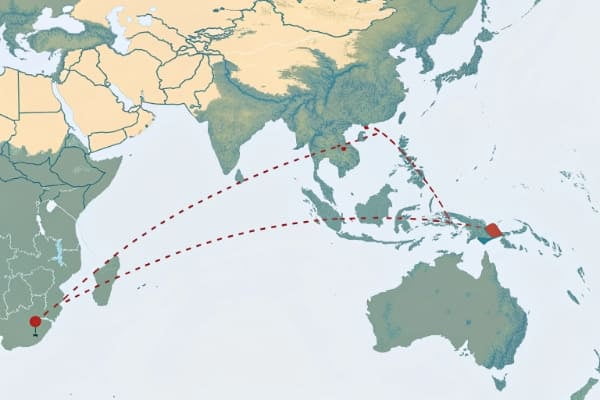
Need to ship goods from China to Australia fast but confused by the process? Delays and hidden costs can be a nightmare. Let's break down how air freight really works.
Air freight from China to Australia1 is a fast shipping method2, typically taking 3-5 days for a door-to-door service3. A freight forwarder4 manages the entire process for you, including booking, preparing documents, clearing customs in both countries, and arranging final delivery to your address.
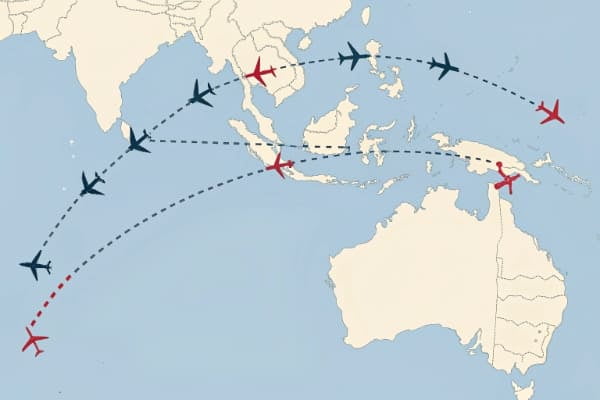
Getting your products across the globe quickly is a game-changer for any business. I've seen it save product launches and secure last-minute deals for my clients. But speed comes with its own set of rules and processes that you need to understand to avoid costly mistakes. Before you book your first shipment, it's important to know the details. Let's dive into what air freight really means for your business and how you can make it work for you.
What Is Air Freight from China to Australia and When Should You Use It?
Is paying for air freight always the right choice for your business? Choosing the wrong shipping method2 can eat into your profits or cause you to miss important deadlines.
Air freight is the process of transporting goods using an air carrier. You should use it for high-value, time-sensitive, or urgent shipments to Australia. This includes things like product samples, electronics, or promotional items for an upcoming event, where speed and security are top priorities.
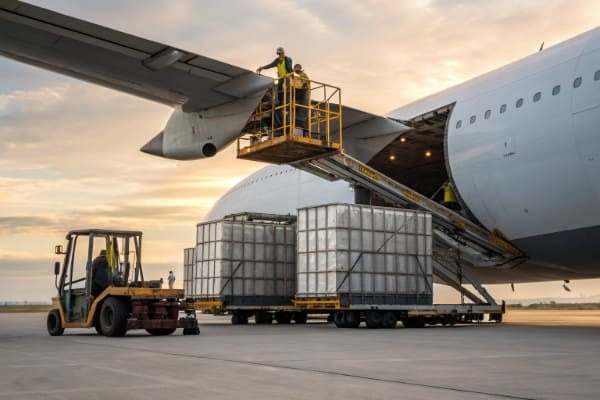
Deciding between air and sea freight is a common challenge for importers. From my experience, the choice depends entirely on your priorities: speed, cost, and the type of product you're shipping. Air freight is the clear winner when time is your biggest concern.
High-Value Goods
For items like electronics or luxury branded merchandise, air freight provides a more secure environment. There is less handling and a shorter transit time, which reduces the risk of damage or theft. I always advise clients with high-value orders to consider air freight as a form of insurance for their investment.
Time-Sensitive Shipments
Are you shipping promotional products for a trade show in Sydney next week? Or maybe you need to restock a best-selling item quickly. Air freight is your best bet. A sea shipment can take weeks, but an air shipment can get your goods to Australia in a matter of days.
Low-Volume, High-Margin Products
If your products are small, light, and have a high profit margin, the higher cost of air freight is easier to absorb. This is often the case for new product tests or fulfilling small, urgent orders for key clients.
| Feature | Air Freight | Sea Freight |
|---|---|---|
| Transit Time | 3-5 Days (Door-to-Door) | 25-40 Days (Door-to-Door) |
| Cost | High | Low |
| Best For | Urgent, High-Value, Light Goods | Bulk, Heavy, Low-Value Goods |
| Security | High | Standard |
What Are the Key Steps in the Air Freight Process to Australia?
The air freight process can seem like a black box full of logistics jargon. One missed step could mean your shipment gets stuck at the airport for weeks, causing major headaches.
The process involves booking your shipment, preparing documents like the commercial invoice and packing list, moving cargo to the airport, clearing export customs5 in China, clearing import customs6 in Australia, and then final delivery. A good freight forwarder4 coordinates all these steps for you.
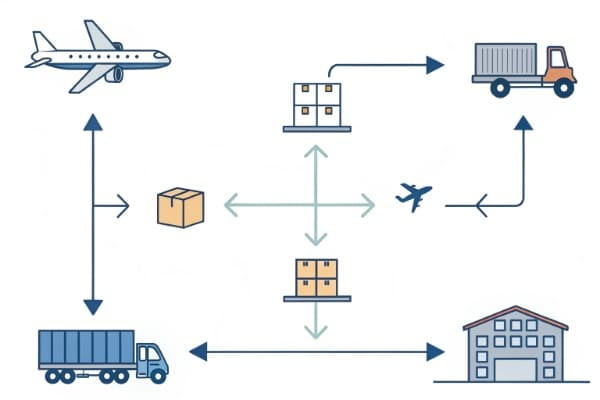
I often tell my clients that a smooth shipment is all about preparation. We've refined our process over the years to make it as seamless as possible. Here is a simple breakdown of what happens after you place an order.
Step 1: Booking and Documentation
First, we book space for your cargo on a flight from a major Chinese airport like Shanghai (PVG) or Guangzhou (CAN) to an Australian airport like Sydney (SYD) or Melbourne (MEL). At the same time, we work with your supplier to gather all the necessary paperwork. This includes the commercial invoice (what you sold), the packing list (what's in the boxes), and the Air Waybill (AWB), which is the shipment's ticket. Getting these documents right is critical to avoid delays.
Step 2: Export and Handling
Once the goods and paperwork are ready, we arrange for pickup from the factory. The cargo is taken to the airport, where it goes through security screening and export customs5s clearance. After it's cleared, it's consolidated with other shipments and loaded onto the aircraft.
Step 3: Import and Final Delivery
Upon arrival in Australia, the process reverses. The cargo is unloaded and moved to a customs warehouse. We handle the import customs6s clearance, working with the Australian Border Force. They are very strict, especially with biosecurity inspections7 for items like wood or agricultural products. After your goods are cleared and any duties or taxes are paid, we arrange for a local courier to deliver the shipment directly to your door.
Who Handles What in the Air Freight Process?
You're not sure who is responsible for each part of the shipment. This confusion can lead to missed handoffs, delays, and a lot of finger-pointing when things go wrong.
The shipper (your supplier) prepares the goods. The freight forwarder4 (like us) manages the entire logistics chain, including booking, customs, and transport. The consignee (you or your customer) is responsible for receiving the shipment in Australia.
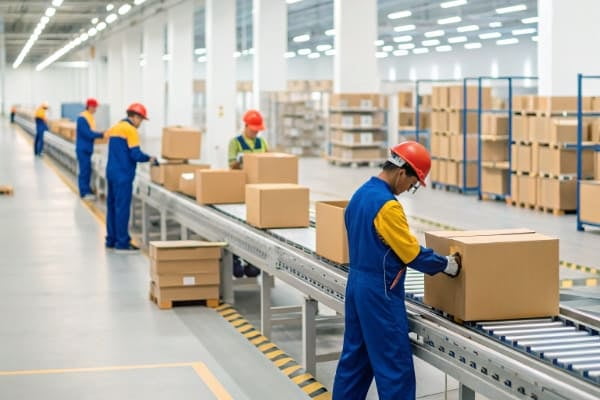
Think of your freight forwarder4 as the project manager for your shipment. Our job is to coordinate all the different players to ensure your cargo moves smoothly from point A to point B. It's a team effort, and everyone has a specific role to play. I've found that when clients understand who does what, they feel much more in control of the process.
Here’s a simple table to clarify the responsibilities:
| Party | Key Responsibilities |
|---|---|
| Shipper (Your Supplier) | Produces and packs the goods. Provides the commercial invoice and packing list. Prepares the cargo for pickup on the agreed date. |
| Freight Forwarder (Us) | Acts as your single point of contact. Books air freight space with the airline. Arranges inland transport in China and Australia. Manages all export and import customs6s clearance. Provides shipment tracking and resolves any issues. |
| Carrier (The Airline) | Physically transports the cargo from the origin airport in China to the destination airport in Australia. |
| Customs Broker | An expert (usually part of the forwarder's team) who prepares and submits documents to customs authorities in both countries. |
| Consignee (You) | Confirms delivery details. Is ultimately responsible for paying import duties and taxes (unless shipping DDP). Receives and inspects the goods upon arrival. |
When you work with a full-service partner like us, we manage all these moving parts. You get one person to talk to, one invoice, and one team responsible for getting your goods delivered safely.
How Long Does Air Freight from China to Australia Take and How Much Does It Cost?
You need a clear timeline and budget for your air freight shipment. Unexpected delays and surprise fees can destroy your project's profitability and leave you explaining bad news to your customers.
Air freight from China to Australia1 usually takes 3-5 days for door-to-door service3. The cost depends on the shipment's chargeable weight8 (a combination of actual weight and volume), the origin/destination airports, and the type of goods being shipped.
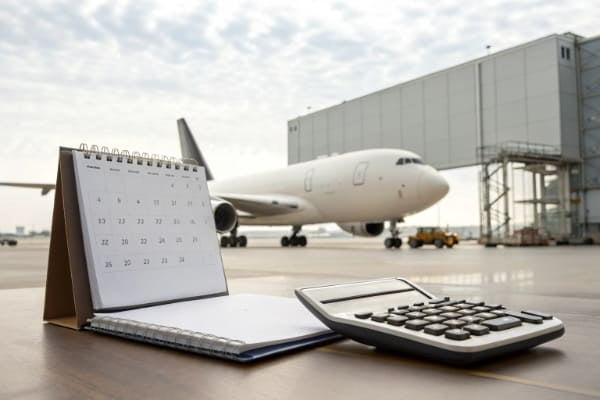
"How fast and how much?" This is always the first question I get from clients, and for good reason. Your entire business plan can depend on the answer. Let's break down both time and cost so you can budget accurately.
Understanding Transit Times
The 3-5 day door-to-door timeline is a good average. This includes about 1 day for pickup and export processing in China, 1-2 days for the flight and import clearance in Australia, and another 1-2 days for final delivery to your address. Direct flights operate daily between major hubs like Guangzhou (CAN) and Sydney (SYD), which helps keep transit times short. Airport-to-airport service can be as fast as 1-3 days, but this doesn't include the time needed for ground transport and customs on both ends.
Key Factors Affecting Cost
Air freight costs are calculated based on "chargeable weight8." The carrier will charge based on whichever is higher: the actual weight of your shipment or its volumetric weight. Volumetric weight is calculated based on the dimensions of your boxes. I once had a client shipping bulky but lightweight hats. They were surprised by the cost until we explained it was based on the space the boxes took up on the plane, not just their weight. Other factors that impact your final bill include:
- Fuel Surcharges: These fluctuate with global oil prices.
- Security Fees: Standard charges at most airports.
- Destination Fees: Charges for handling and customs clearance9 in Australia.
- Type of Goods: Hazardous or oversized items may cost more to ship.
How to Choose a Reliable Air Freight Forwarder to Australia?
Choosing the wrong logistics partner10 can be a costly mistake. Poor communication, missed deadlines, and damaged goods can hurt your brand's reputation and your bottom line.
Choose a forwarder with deep experience in the China-to-Australia shipping lane, transparent pricing, and excellent communication. They should offer end-to-end services, including customs clearance9 and real-time tracking, to manage the entire process for you seamlessly.

Your freight forwarder4 is more than just a vendor; they are an extension of your team. Finding the right one is crucial for growing your business. Over the years, I've seen what separates a great forwarder from a mediocre one. It comes down to a few key areas that you should always investigate before committing to a partner.
Experience and Network
You need a forwarder who knows the China-Australia route inside and out. Do they have strong relationships with airlines? Do they have an experienced team on the ground in both countries? Most importantly, are they experts in Australian customs and biosecurity regulations? A forwarder with this specialized knowledge can proactively solve problems before they cause delays.
Service Scope and Transparency
Look for a partner who can provide a true door-to-door service3, often called DDP (Delivered Duty Paid11). This means they handle everything—from factory pickup to final delivery—and provide you with one all-inclusive price. Price transparency is key. Your quote should clearly break down all costs, with no hidden fees.
Communication and Technology
A good forwarder provides you with a single, dedicated point of contact who speaks your language and responds quickly. You shouldn't have to chase multiple people for updates. They should also provide a digital tracking system that gives you real-time visibility of your shipment from start to finish. We built our entire service model around these principles because we know that's what business owners like you need to operate with confidence.
Conclusion
Air freight to Australia is the fastest way to ship from China. By understanding the process, costs, and choosing a reliable partner, you can ensure your goods arrive on time.
Explore this resource to understand the air freight process and how it can benefit your shipping needs. ↩
Explore various shipping methods to find the best option for your business needs. ↩
Discover the advantages of door-to-door service for hassle-free shipping from China to Australia. ↩
Learn how a freight forwarder can simplify your shipping process and save you time and money. ↩
Gain insights into the export customs process to avoid delays in your shipments. ↩
Understanding import customs is vital for successful delivery; this resource explains the process. ↩
Learn about biosecurity inspections and their importance for shipping to Australia. ↩
Learn how chargeable weight affects shipping costs and how to calculate it accurately. ↩
Understanding customs clearance is crucial for smooth shipping; this resource provides essential insights. ↩
Find tips on selecting a logistics partner that can enhance your shipping experience. ↩
Understand the benefits of DDP shipping and how it simplifies the logistics process. ↩