
Tired of power cuts and shocking electricity bills1? Grid failures and rising costs can be frustrating. A hybrid solar inverter2 with battery storage3 gives you back control and peace of mind.
A hybrid solar inverter2 with battery storage3 gives you continuous power during outages, boosts your home's energy independence4, and cuts down your electricity bills1. It intelligently manages your solar power5, battery, and the grid in one device.
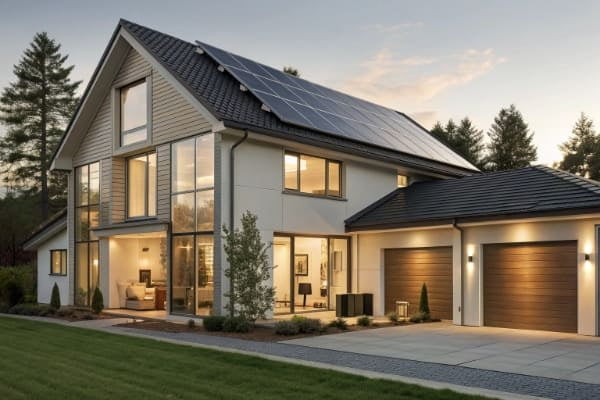
It's a game-changer for anyone with a solar panel system6. But how does it actually work to save you money and keep the lights on? Let's break it down piece by piece. You'll be surprised at how simple and powerful this technology is.
How do hybrid solar inverter2s enhance energy efficiency?
Are your solar panels generating more power than you can use during the day? This excess energy is often lost, reducing your savings. Hybrid inverters make sure every bit is used.
Hybrid solar inverters boost efficiency by storing surplus solar energy in a battery. Instead of selling it cheap to the grid, you can use this free energy at night, maximizing self-consumption7 and getting more value from your panels.
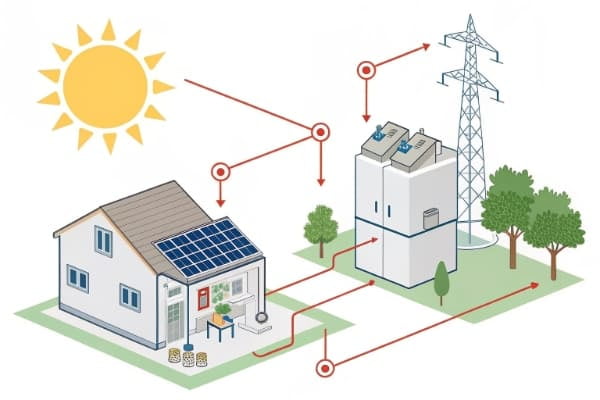
A hybrid inverter acts as the central brain for your entire solar setup. In a traditional system, you might need a solar inverter and a separate battery inverter. This can be complex and less efficient. A hybrid inverter combines everything into one smart device. It handles converting solar power5, charging and discharging the battery, and managing your connection to the grid. This integration is a huge advantage.
Reducing Conversion Losses
One of the biggest ways it boosts efficiency is by minimizing energy conversion losses. Your solar panels produce DC power, and your battery stores DC power. A hybrid inverter can directly charge the battery with DC power from the panels. This is called "DC coupling8." Older systems often convert solar DC power to AC for your home, then convert it back to DC to charge a battery. Each conversion wastes energy.
| System Type | Energy Path | Efficiency |
|---|---|---|
| Hybrid (DC Coupled) | Panels (DC) -> Battery (DC) | High (fewer conversions) |
| AC Coupled | Panels (DC) -> AC -> Battery (DC) | Lower (more conversions) |
This streamlined process means more of the energy your panels generate ends up stored in your battery for you to use.
What is the role of battery storage3 in maximizing solar energy utilization9?
Your solar panels work hard all day, but what happens at night? You end up buying expensive electricity from the grid. Battery storage solves this, letting you use your solar power5 anytime.
Battery storage saves the extra solar energy your panels produce during the day. This lets you use that free, clean energy at night or on cloudy days, maximizing your system's value and reducing your reliance on the grid.
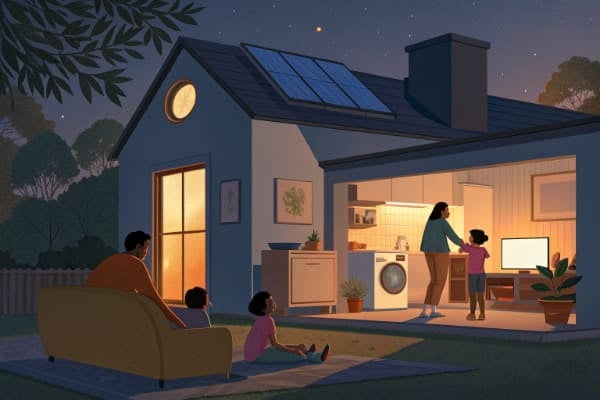
The main job of a battery is to let you use solar energy whenever you want, not just when the sun is shining. I've seen this completely change how our clients think about their power consumption. It's a concept called "load shifting10." Your panels generate the most power in the middle of the day, but your family probably uses the most power in the morning and evening. A battery bridges that gap. It stores the midday power so you can use it to cook dinner, watch TV, or run the AC in the evening, all for free.
Smart Savings with Time-of-Use Rates
This gets even more powerful if your utility company has time-of-use (TOU) pricing. They charge you more for electricity during "peak" hours. With a battery, you can avoid these high costs completely.
| Time of Day | Grid Price | Your Action with a Battery |
|---|---|---|
| Midday (Off-Peak) | Low | Use solar, store excess in battery |
| Evening (Peak) | High | Use stored battery power, avoid grid |
| Night (Off-Peak) | Low | Recharge battery from grid if needed |
The hybrid inverter automates this, making sure you always use the cheapest energy available. It's a smart system that actively works to lower your bills.
Why are hybrid inverters essential for off-grid and backup power11 solutions?
Worried about power cuts leaving you in the dark? Most solar systems shut down during an outage for safety. A hybrid inverter with a battery is different; it keeps you powered up.
Hybrid inverters are vital for backup power11. During a grid outage, they automatically switch to your battery and solar panels, creating a personal power grid for your home. This ensures your essential lights and appliances stay on.

The peace of mind from having backup power11 is a huge reason people choose a hybrid system. Most people don't realize that a standard grid-tied solar system turns off during a blackout. It's a safety measure. But a hybrid inverter has a built-in feature that lets it safely disconnect from the grid and power your home directly from the battery and panels. The switch is so fast—usually in milliseconds—that you won't even see your lights flicker. It’s much better than fumbling for a generator in the dark.
Protecting Your Critical Loads
You can also be smart about what you power during an outage. We often help clients set up a "critical loads12" panel. This lets you choose which circuits receive backup power11. You can prioritize things like your refrigerator, internet router, lights, and medical devices. By not trying to power your entire house, you can make your stored battery energy last much longer, sometimes for days. This level of control provides true energy resilience13.
| Circuit Type | Backup Status | Purpose |
|---|---|---|
| Critical Loads | Always On | Fridge, internet, lights |
| Non-Essential Loads | Off during outage | Air conditioner, oven |
What are the financial and environmental benefits14 of hybrid inverters?
Thinking about going solar but worried about the cost? The initial investment can be a big decision. A hybrid system not only pays for itself but also helps the planet.
Financially, hybrid inverters cut your power bills by letting you use more of your own solar energy. Environmentally, they lower your carbon footprint by replacing dirty grid power with clean, stored solar power5, especially during peak demand.
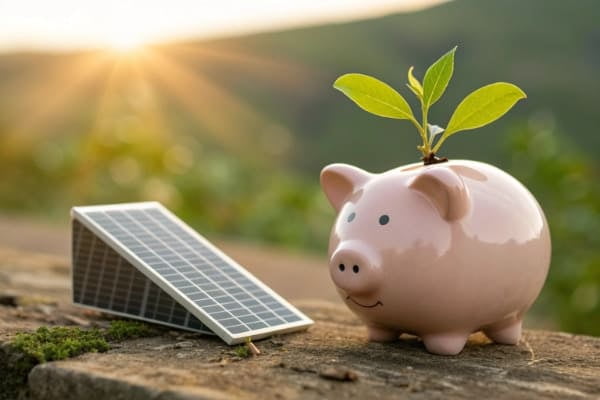
Let's talk about the return on investment (ROI). It's a key factor for any project we manage. A hybrid system delivers financial benefits15 in several ways. First, you maximize "self-consumption7," meaning you use more of your own free power. Second, you can avoid expensive peak electricity rates, a strategy called "peak shaving16." Over years, these savings add up and can completely pay for the system. Many real estate agents I've spoken with also confirm that a home with a modern solar and battery system has a higher resale value. It's an upgrade that pays you back.
Reducing Your Carbon Footprint
The environmental benefits14 are just as significant. By storing solar power5, you ensure your home runs on clean energy even when the sun isn't shining. This is especially important in the evenings. Electricity demand is high in the evening, and utility companies often have to turn on extra power plants, called "peaker plants," to meet this demand. These are often the least efficient and most polluting plants. By using your battery instead of the grid, you directly reduce the need for these plants to run, lowering emissions for everyone.
How can you retrofit your home with a hybrid inverter and battery storage3?
Do you already have a solar panel system6? You might feel stuck without battery backup or storage. Adding it seems complicated and expensive. Good news: you can easily upgrade your existing system.
To retrofit your home, you can either replace your current solar inverter with a hybrid inverter, or add an "AC-coupled" battery system that works with your existing setup. A professional can help you choose the best option.
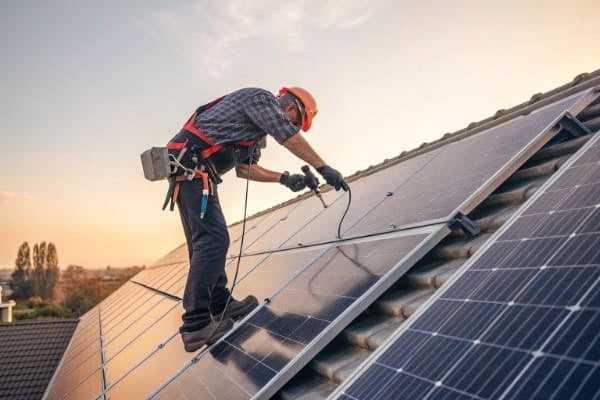
Adding battery storage3 to an existing solar array is a common project we see. There are two main ways to do it. The best choice depends on your current system's age and type. I always advise clients to get a professional assessment first.
Choosing Your Upgrade Path
Your installer will likely recommend one of these two approaches:
| Upgrade Method | Description | Best For |
|---|---|---|
| Hybrid Inverter Swap | Replace your old grid-tie inverter with a new hybrid inverter. | Older systems where the inverter is due for replacement anyway. |
| AC-Coupled System | Keep your existing inverter and add a battery with its own inverter. | Newer systems with a good inverter you want to keep. |
Both options will give you the storage and backup power11 you're looking for. The hybrid inverter swap can be more efficient, while AC coupling can sometimes be an easier installation.
Plan for the Future
When you upgrade, think about the future. A good hybrid inverter is scalable. This means you can easily add more solar panels or more battery packs later on as your needs change or as your budget allows. By installing a capable hybrid inverter now, you're not just solving today's problems; you're building a flexible energy platform for the future.
Conclusion
In short, a hybrid inverter with a battery is a smart upgrade. It provides energy security, lowers bills, and helps the environment, giving you full control over your home's power.
Find effective strategies to lower your electricity bills using solar energy solutions. ↩
Explore the advantages of hybrid solar inverters and how they can enhance your energy independence. ↩
Learn about battery storage systems and their role in maximizing solar energy utilization. ↩
Discover the significance of energy independence and how it can benefit your household. ↩
Understand the benefits of solar power and its impact on your energy consumption. ↩
Learn about the workings of solar panel systems and their components. ↩
Learn how self-consumption can maximize your savings and efficiency with solar energy. ↩
Explore the concept of DC coupling and its advantages in solar energy systems. ↩
Find effective methods to maximize the utilization of solar energy in your home. ↩
Discover how load shifting can optimize your energy usage and savings. ↩
Learn about backup power solutions and their importance during outages. ↩
Find out how to prioritize critical loads for efficient energy management. ↩
Discover the importance of energy resilience in today's energy landscape. ↩
Discover the environmental impact of hybrid solar systems and their role in sustainability. ↩
Explore the financial advantages of investing in hybrid solar systems. ↩
Explore the concept of peak shaving and its benefits for energy savings. ↩