
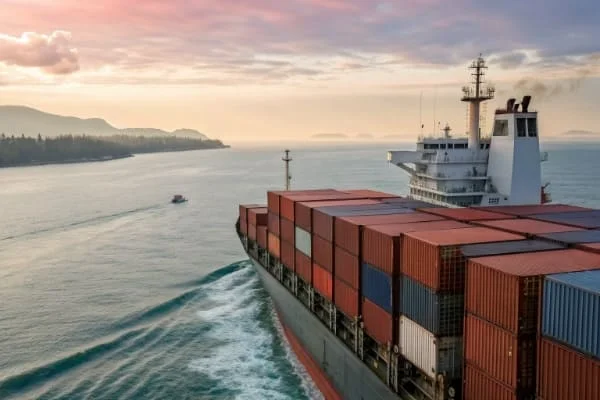
Confused about shipping from China to Canada1? Unexpected costs and long delays can easily disrupt your business plans. Here’s how you can make your logistics simple and reliable.
Sea freight remains the most cost-effective option2, with door-to-door transit times3 of 25–40 days. Air freight is faster, taking 3–10 days, while express is quickest for small parcels at 2–7 days. Your best choice depends on your budget, urgency, and shipment size.
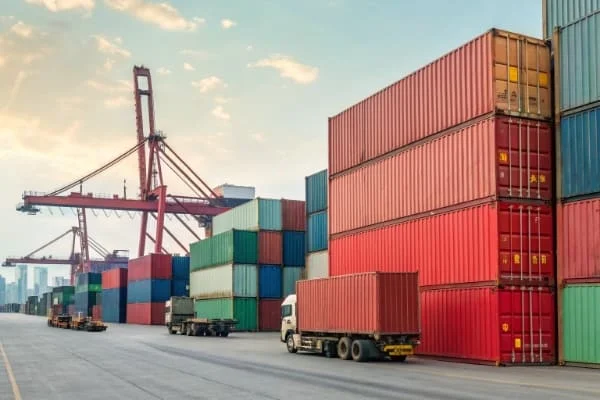
But just picking a method isn't enough to guarantee success. The real key is understanding the details behind the costs, schedules, and common problems you might face. I work with clients on this every day, so let's break down the most important questions you need to ask.
How Much Does It Cost to Ship from China to Canada?
Worried about unpredictable shipping costs4? Hidden fees and surcharges can quickly eat into your profit margins. Let me give you a clear breakdown of what to expect.
Your total shipping cost depends on the mode of transport, shipment weight, volume, and service terms (Incoterms5). Other major factors include fuel surcharges, customs duties6, destination fees, and seasonal demand7. Always get a detailed quote that lists all potential charges.
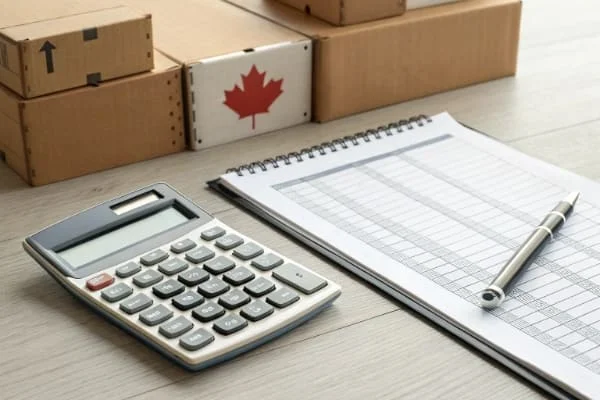
When we create a quote for a client, we look at several key elements that determine the final price. It's never just one number. The biggest cost driver is the shipping method8 you choose—sea, air, or express. After that, we look at the size and weight of your cargo. Carriers use a concept called "chargeable weight9," which is the greater of the actual weight or the volumetric weight. This is especially important for air freight. The Incoterms5 you agree on with your supplier also matter. For example, an EXW (Ex Works) price means you pay for all transport from the factory door, while a FOB (Free on Board) price includes transport to the Chinese port. Finally, don't forget about seasonal demand7. Shipping rates always spike before major holidays like Christmas and Chinese New Year, so planning ahead is crucial.
Key Cost Factors in 2025
| Factor | Description | Impact on Cost |
|---|---|---|
| Shipping Mode | Sea, Air, or Express Courier | High (Sea is cheapest, Express is most expensive) |
| Weight & Volume | The chargeable weight9 of your cargo | High (Heavier/larger shipments cost more overall) |
| Incoterms5 | EXW, FOB, DDP, etc. | Medium (Determines who pays for each leg of the journey) |
| Origin/Destination | Specific ports/airports and inland locations | Medium (Main routes are cheaper than remote ones) |
| Surcharges | Fuel (BAF), peak season (PSS), etc. | Medium (Can fluctuate and add significant cost) |
| Customs & Duties | Taxes levied by Canadian government | Varies (Depends on the HS code and value of goods) |
Is Air Freight or Sea Freight Cheaper from China to Canada?
Trying to decide between air and sea freight? Choosing the wrong one can mean overpaying for speed you don't need or waiting too long for your products.
Sea freight is almost always cheaper per kilogram for any shipment over 150 kg. It's the go-to for bulk goods. Air freight is more expensive but becomes a viable option for small, high-value, or urgent shipments where speed is more important than cost.
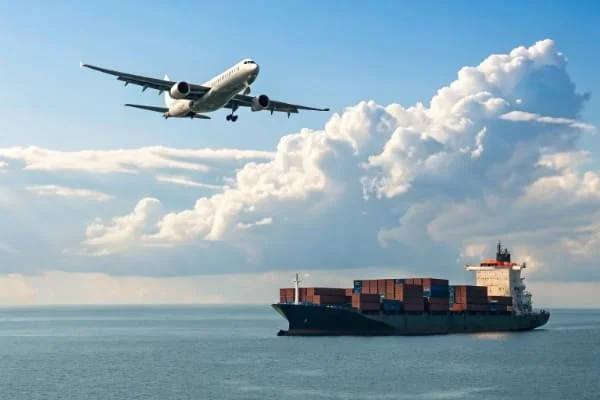
The choice between air and sea freight really comes down to a balance of cost, speed, and volume. For large, heavy shipments, sea freight is the undisputed champion of cost-effectiveness. The cost per unit is much lower when you can fill a container or even part of one. However, I’ve seen many cases where air freight makes more sense. If you're shipping small, lightweight, but high-value items like electronics or jewelry, the speed and security of air freight can be worth the extra cost. The key is to understand how carriers charge. Sea freight is priced by cubic meter (CBM), while air freight is based on chargeable weight9. For a large but very light item, the volumetric weight for air freight could be extremely high, making sea freight the only logical choice. We always run the numbers for both options to show our clients the exact trade-off.
When to Choose Air vs. Sea
| Scenario | Recommended Method | Why? |
|---|---|---|
| Bulk Order (e.g., 500 chairs) | Sea Freight | The cost per unit is significantly lower for large volume. |
| Urgent Sample Delivery | Air Freight / Express | Speed is the top priority to close a deal or start production. |
| High-Value Electronics | Air Freight | Faster transit means less time in transit, reducing risk of damage or theft. |
| Small E-commerce Restock | Air Freight | Gets products back in stock quickly to avoid lost sales. |
China to Canada Transit Times by Sea, Air, and Express?
Do you know how long it will actually take for your goods to arrive? Unrealistic timelines can lead to stockouts, missed deadlines, and unhappy customers. Let's look at real-world transit times10.
On average, door-to-door sea freight from China to Canada takes 25–40 days. Air freight takes about 3–10 days. Express couriers like DHL or FedEx are the fastest, delivering in 2–7 days. These times include customs clearance and local delivery.
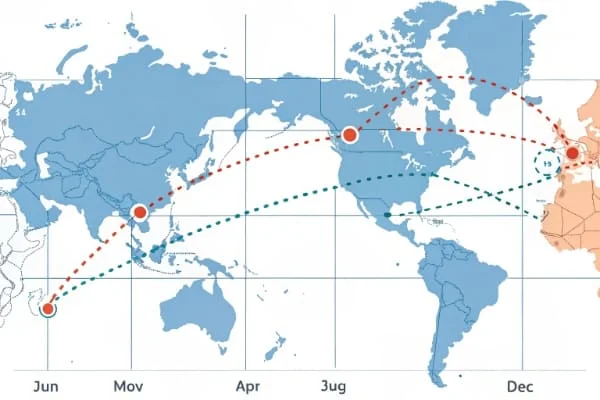
Transit time is more than just the time a ship is on the water or a plane is in the air. You have to account for the entire journey from start to finish. This includes ground transport from the factory to the port in China, waiting time for vessel or flight departure, the main transit, customs clearance in Canada, and final delivery to your warehouse. For sea freight, the port-to-port time might be 15-25 days, but the full door-to-door process adds another 1-2 weeks. Air freight is much faster, but you still need to factor in a few days on each end for processing and customs. Express couriers are the most streamlined because they manage the entire process seamlessly, which is why they can deliver so quickly. When we plan a shipment, we always provide a door-to-door estimate to give our clients a realistic arrival date.
Average Transit Times (Door-to-Door)
| Shipping Method | Estimated Transit Time | Best For |
|---|---|---|
| Express Courier | 2–7 days | Small parcels, documents, urgent samples |
| Air Freight | 3–10 days | Urgent stock, high-value goods, items < 500kg |
| Sea Freight (FCL) | 25–35 days | Full container loads, bulk goods |
| Sea Freight (LCL) | 30–40 days | Smaller sea shipments (1–15 CBM) |
How Long Is Door-to-Door Shipping from China to Canada?
Are you confused by terms like port-to-port versus door-to-door? Focusing only on the main transit time is a common mistake that leads to delays. Let's clarify what "door-to-door" really means.
Door-to-door shipping includes the entire process: pickup from the factory in China, transport to the port/airport, main freight, customs clearance in Canada, and final delivery to your address. This full journey typically takes 25–40 days by sea or 3–10 days by air.

When you get a shipping quote, it's vital to know what services are included. A "port-to-port" quote might look cheaper, but it leaves you responsible for arranging transport to the origin port and from the destination port. This can be a huge headache, especially if you're not familiar with the logistics in both countries. I always recommend door-to-door or DDP (Delivered Duty Paid) services for most importers. With a door-to-door service, your freight forwarder11 handles everything. We coordinate the truck to pick up goods from your supplier, book the freight, manage all the export and import documents, clear customs, and arrange the final delivery truck. It simplifies the entire process into a single point of contact and one all-inclusive invoice, giving you full transparency and peace of mind. It may seem slightly more expensive upfront, but it saves you from hidden costs and stress later on.
Should I Choose FCL or LCL12 Shipping from China to Canada?
If you're shipping by sea, you have two main choices: FCL or LCL12. Making the right decision can save you thousands of dollars and prevent unnecessary delays.
Choose FCL (Full Container Load) if you have enough cargo to fill most of a 20ft or 40ft container. It's faster and has a lower risk of damage. Choose LCL (Less than Container Load) if your shipment is smaller, as you only pay for the space you use.
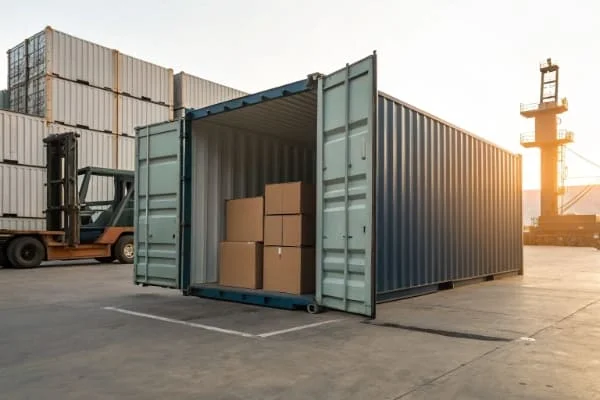
This is a decision we help clients with every day. FCL is straightforward: you rent an entire container for your goods only. This means once it's loaded and sealed at the factory, it isn't opened again until it reaches you in Canada. This reduces handling and minimizes the risk of damage or loss. It's also faster because it doesn't need to be consolidated or deconsolidated at the ports. LCL is for smaller shipments that don't need a full container. Your goods are combined with other people's cargo in a shared container. It's very cost-effective for smaller volumes (typically under 15 cubic meters), but it has downsides. The transit time is longer because of the extra handling at both ends, and there's a slightly higher risk of damage since your goods are handled more. The general rule of thumb I use is if your volume is over 15 CBM, it's often cheaper and better to book a whole 20ft FCL container.
What Are the Biggest Causes of China–Canada Shipping Delays?
Are you tired of your shipments always arriving late? Delays are frustrating and costly, but many of them can be avoided with proper planning. Let me explain the common causes.
The most common causes of shipping delays13 are port congestion, customs inspections, incorrect paperwork, and peak season backlogs (like before Chinese New Year or Christmas). Weather events and unexpected carrier issues can also disrupt schedules. Proper planning and documentation are your best defense.
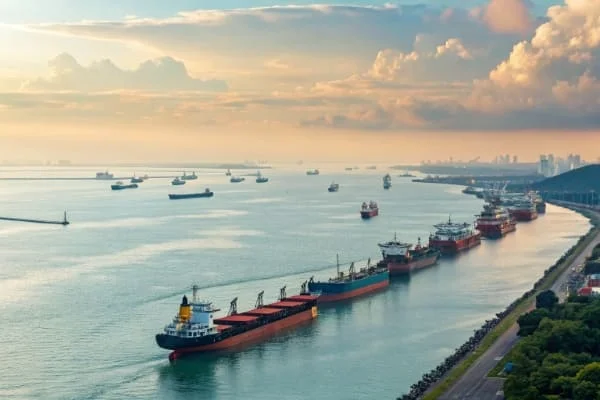
I've seen it all when it comes to delays. The number one issue we help clients avoid is problems with paperwork. A simple mistake on the commercial invoice or bill of lading can hold up a shipment in customs for weeks. That's why we double-check every document. Another major factor is timing. Trying to ship right before a major holiday is a recipe for disaster. Ports in China get incredibly busy, and it becomes very difficult to secure a booking. We advise our clients to plan their holiday inventory shipments months in advance. Port congestion in Canada, especially at major hubs like Vancouver, can also add days or even weeks to your transit time. While you can't control congestion, a good freight forwarder11 can help you navigate it by providing alternative routing options or giving you realistic timeline estimates from the start.
What Are the Main Shipping Routes from China to Canada?
Do you know the path your goods take to get to you? Understanding the main routes can help you choose the most efficient and cost-effective option2 for your business.
Most sea freight from China to Canada goes to the Port of Vancouver or the Port of Prince Rupert on the West Coast. From there, goods travel inland by rail or truck. For Central and Eastern Canada, shipments often go to the Port of Montreal or Halifax.
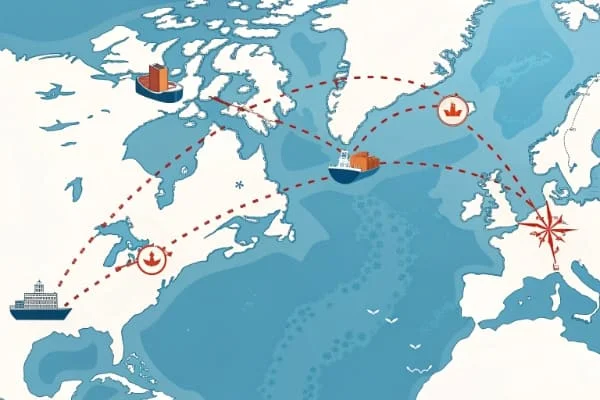
The route your shipment takes has a big impact on both cost and transit time. For clients located in Western Canada, shipping to Vancouver is the fastest and most direct sea route. Major Chinese ports like Shanghai, Ningbo, and Shenzhen have regular, fast services to Vancouver. From there, the Canadian National (CN) and Canadian Pacific (CP) railways provide excellent service to move containers inland to cities like Calgary and Edmonton. If your final destination is in Eastern Canada, like Toronto or Montreal, you have two choices. You can ship to Vancouver and then use rail, which is often called a "land bridge." Or, you can use an all-water service that goes through the Panama Canal to an East Coast port like Montreal or Halifax. The all-water route takes longer but can sometimes be cheaper by avoiding the cross-country rail fees. We analyze both options to find the best balance for our clients.
What Should I Know Before Booking a Freight Forwarder?
Choosing the right partner is the most important shipping decision you'll make. A great forwarder saves you time and money, while a bad one creates endless problems.
Before booking, verify they have experience with the China-Canada route. Ask for a detailed quote with all-inclusive pricing to avoid hidden fees. Check their communication process and ensure you have a dedicated contact person. A good forwarder acts as your partner, not just a vendor.

Finding a reliable freight forwarder11 is like hiring a key employee for your business. You need someone you can trust. When I talk to new clients, I tell them to look for three things. First, experience. Do they understand both Chinese export rules and Canadian import requirements? This is critical for smooth customs clearance. Second, transparency. Your quote should break down all the costs—ocean freight, fuel surcharges, terminal handling charges, customs brokerage, etc. If a price looks too good to be true, it probably is. There are likely hidden fees that will appear later. Third, communication. You need a partner who responds quickly and keeps you updated. At Toncentlink, we provide a single point of contact for each client, so you always know who to call. We manage everything from our offices in China, acting as your local team on the ground.
Conclusion
Choosing the right shipping method8 from China to Canada balances cost, speed, and reliability. Plan ahead and partner with an expert to make your supply chain a success.
Explore comprehensive guides on shipping from China to Canada to avoid unexpected costs and delays. ↩
Learn about the most cost-effective shipping methods to save money on your logistics. ↩
Understand the expected transit times to better plan your shipments and avoid stockouts. ↩
Get insights on how to accurately estimate shipping costs and avoid hidden fees. ↩
Learn about Incoterms to understand your responsibilities and costs in shipping. ↩
Understand customs duties to avoid unexpected costs and ensure smooth clearance. ↩
Explore how seasonal demand can influence your shipping costs and planning. ↩
Learn key factors to consider for selecting the best shipping method for your needs. ↩
Find out how chargeable weight impacts your shipping costs and planning. ↩
Get a clear picture of transit times to help you manage your inventory effectively. ↩
Get tips on selecting a reliable freight forwarder to streamline your shipping process. ↩
Learn the differences between FCL and LCL to make an informed shipping decision. ↩
Identify common causes of delays to better prepare and avoid them. ↩